Study reveals: Muscle strength as preparation for old age is underestimated
Muscles do more than keep you fit – they are also a key foundation for a healthy, independent life in old age. However, as the “Sanitas Health Forecast 2026” study shows, their importance remains significantly underestimated in Switzerland.
Key points at a glance
- 83% of Swiss people associate strength training with flexibility and physical strength.
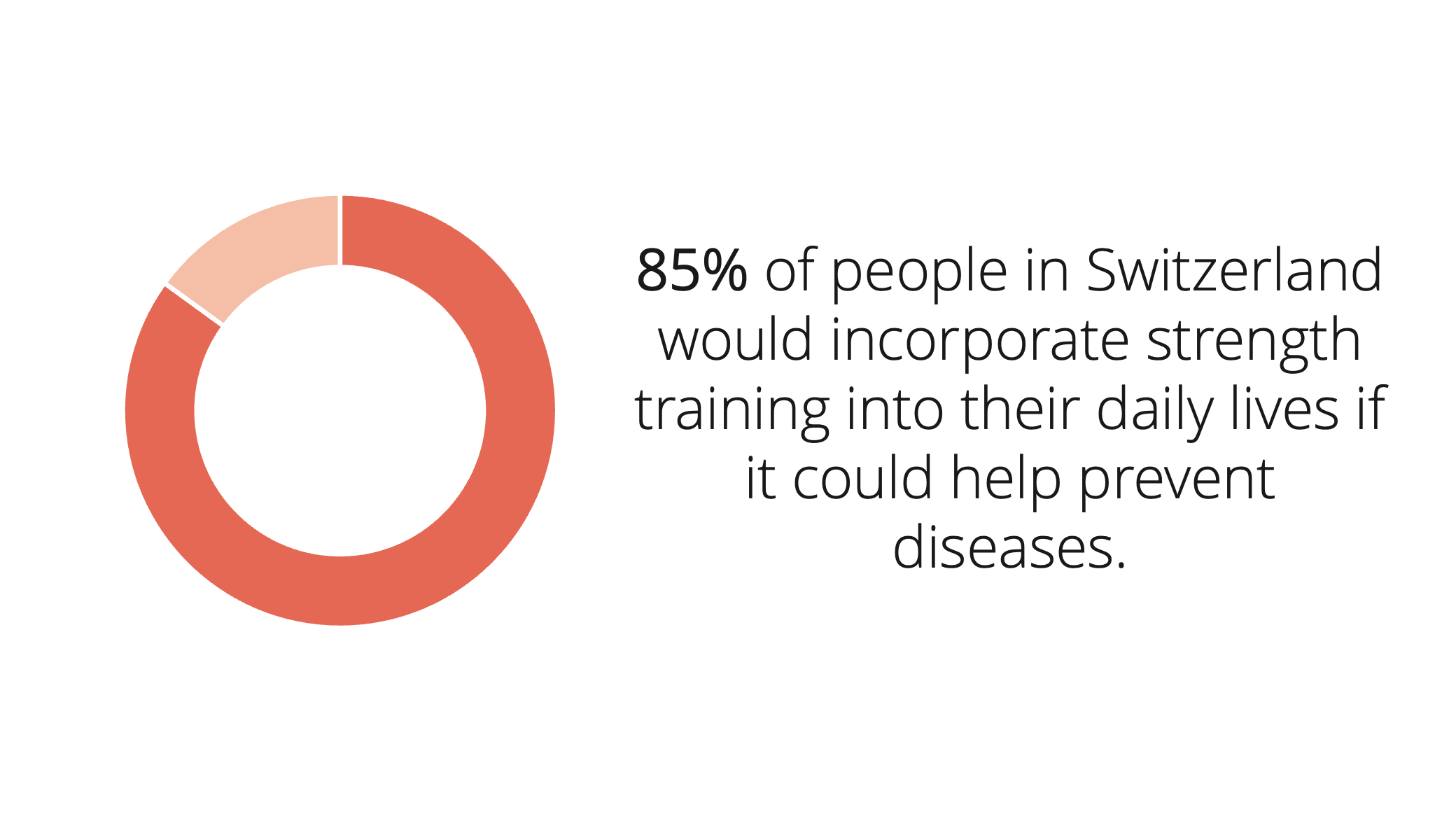
- 85% would incorporate strength training into their daily routine if it could help prevent illness.
- Studies show that just 30 to 60 minutes of activity per week provides health benefits.
Muscles as a metabolic organ: Why they do far more than provide strength
Climbing stairs, carrying shopping bags or getting up from a chair: without muscles, even basic everyday tasks would be difficult. But their importance extends far beyond movement and physical strength.
Today, skeletal muscle is considered an active metabolic organ. During physical activity, muscles release messenger substances known as myokines, which allow them to communicate with other organs. Among other functions, muscles help regulate glucose and fat metabolism, immune responses and inflammatory processes.
Muscle strength is therefore not just a matter of fitness. Strong muscles provide an important physical reserve – one that becomes increasingly valuable as we age.
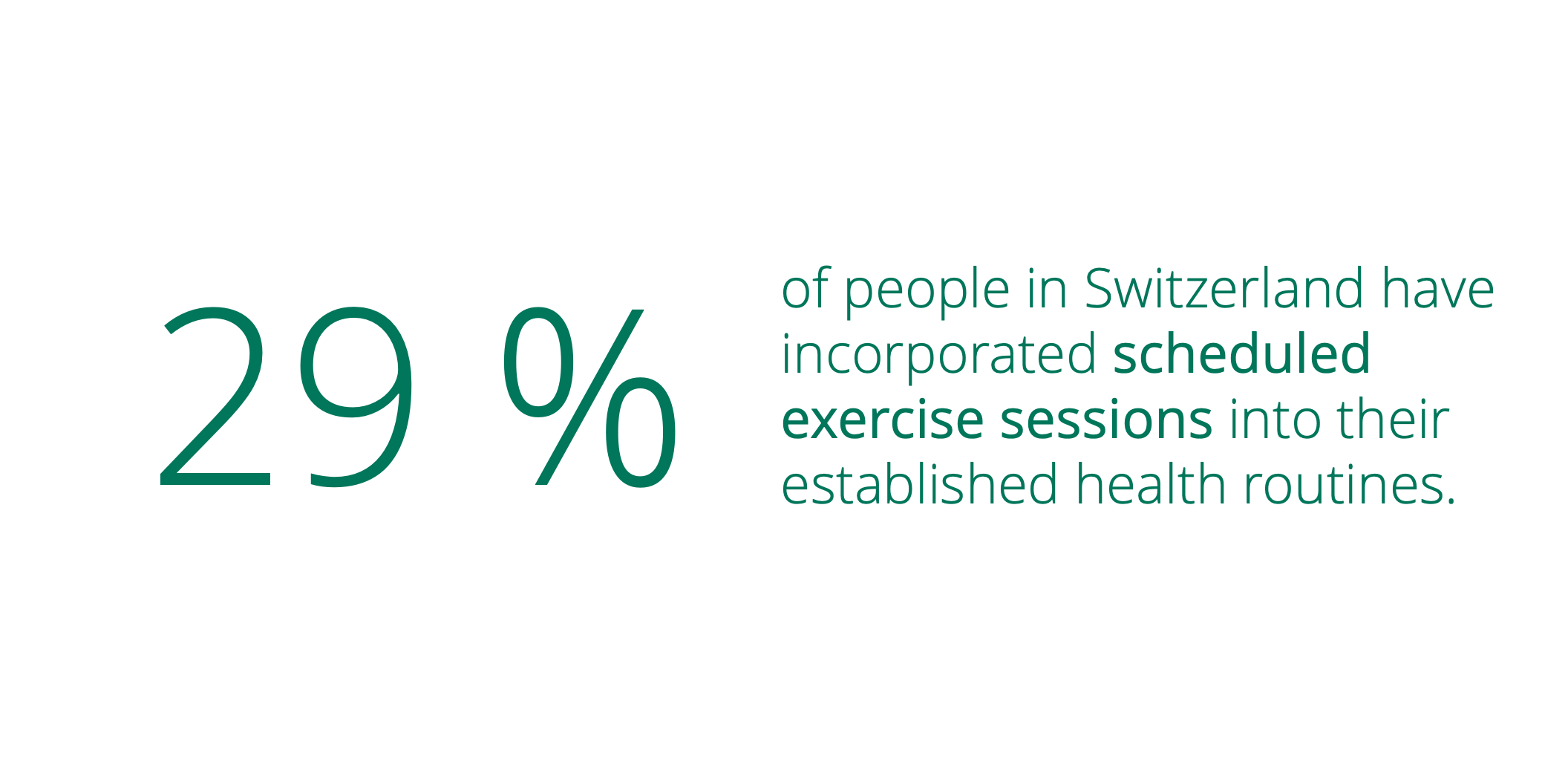
What are the effects of strength training? People in Switzerland know only some of the benefits
The “Sanitas Health Forecast 2026” study reveals an interesting paradox: Most people are well aware of the immediate benefits of strength training.
- Some 83% associate it with flexibility and physical strength, while
- 65% believe that strength training can help protect them from falls and fractures in old age.
Other health benefits are far less widely recognised.
- Only 28% associate strength training with blood sugar regulation, immune function or the regulation of inflammation.
- Just 26% recognise its positive effect on cognitive performance.
Perception changes with age:
- People under 45 are more likely to associate strength training with burning calories, weight management and mental well-being.
- Older people are more likely to think about protecting themselves from falls and fractures.
Why muscle strength is crucial for maintaining independence in old age
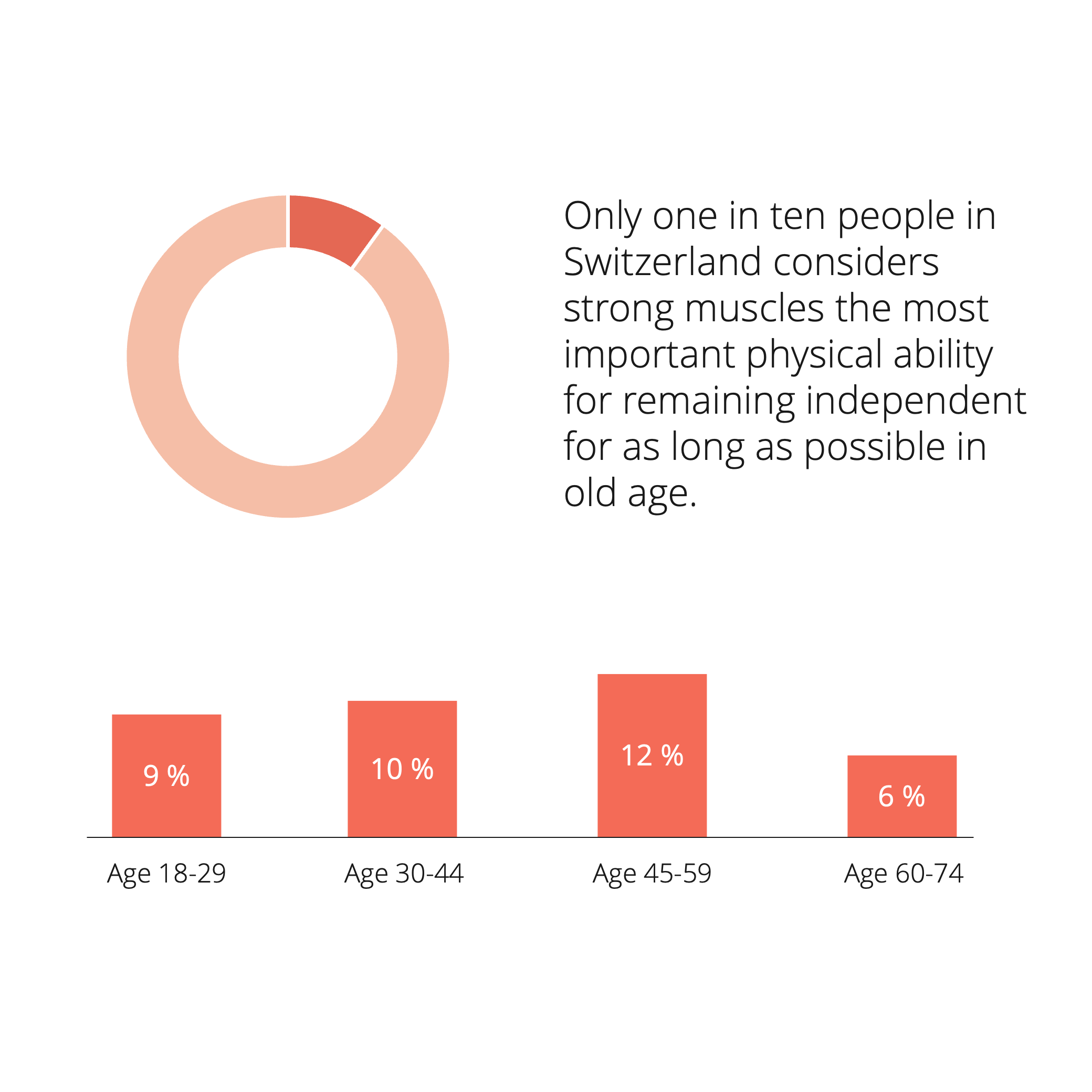
The knowledge gap becomes particularly evident when consider later life. When asked which physical ability is most important for remaining independent for as long as possible from the age of 70, only 10% choose strong muscles. Mobility and joint health are mentioned far more often, at 36%.
Interestingly, the figure is particularly low among 60 to 74-year-olds. Only 6% identify strong muscles as the most important factor in maintaining independence in old age.
In fact, the loss of muscle strength – and later muscle mass – begins much earlier. This process accelerates as we age. Regular physical activity and targeted strength training can help counteract it.
Muscles can therefore be compared to a retirement savings account. If you start making contributions early and continue over the long term, you build up physical reserves that you can draw on later.
How does strength training affect metabolism?
Muscles need energy, so they play an important role in how the body processes glucose and fats. Researchers now consider skeletal muscle to be an endocrine organ. When muscles work, they release myokines that send signals to the liver, adipose tissue, pancreas and brain, among other organs.
Active muscles therefore influence processes that extend far beyond the muscles themselves. They help regulate glucose and fat metabolism and are linked to immune and inflammatory processes.
This helps explain why muscle training is increasingly being studied not only from a fitness perspective but also as a preventive health measure.
How much strength training is recommended each week?
The good news is that you don’t need to train for hours to begin seeing health benefits. Studies show that as little as 30–60 minutes of muscle-strengthening activity per week is associated with a lower risk of cardiovascular disease and cancer. Specifically, muscle-strengthening activities were associated with a 10–17% lower risk of several major chronic diseases.
International physical activity guidelines also emphasise the importance of muscle strength: Adults should strengthen all major muscle groups at least two days a week. For older people, a targeted combination of strength and balance training is even more important.
Strength training doesn’t necessarily mean going to the gym. The key is to challenge the muscles regularly with sufficient resistance – for example, through bodyweight exercises, resistance bands or weights.
Why it’s never too late to start
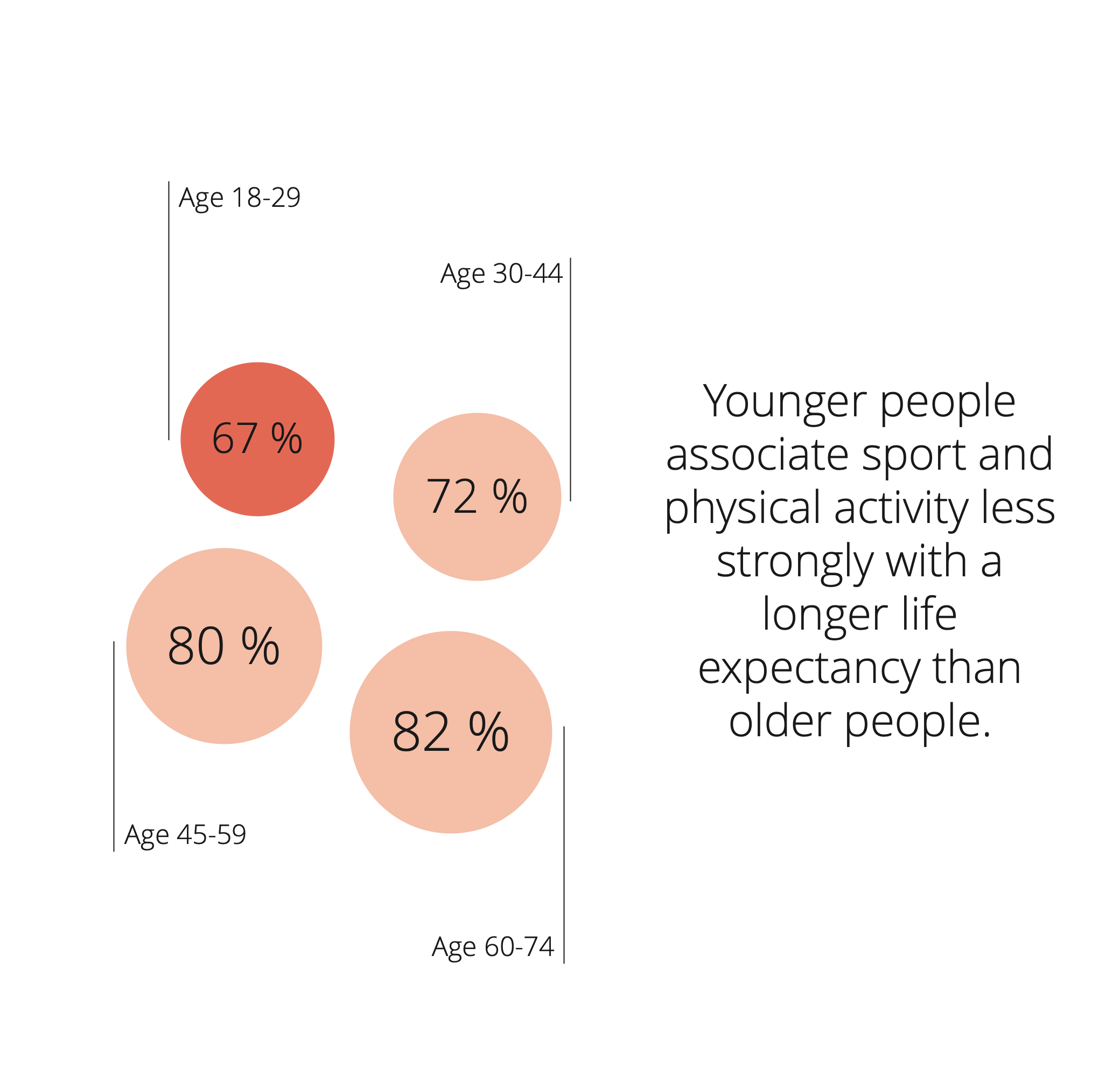
Even if you haven’t done much to build your muscle strength so far, you still have a good chance to benefit. Three-quarters of the Swiss population believe that regular exercise has a positive impact on health and life expectancy, even when started later in life.
Interestingly, this belief becomes stronger with age: Among 18 to 29-year-olds, 67% believe that starting later has a strongly positive effect. This figure rises to 80% among 45 to 59-year-olds and 82% among 60 to 74-year-olds.
The scientific evidence supports this view. In principle, muscle strength can be trained at any age. It’s not about having done everything right when you were young – it’s about regularly challenging your muscles at every stage of life.
Why do people in Switzerland exercise?
Another finding from the Sanitas Health Forecast shows that muscles definitely play a role in everyday life: 57% of people exercise to maintain muscle strength and flexibility.
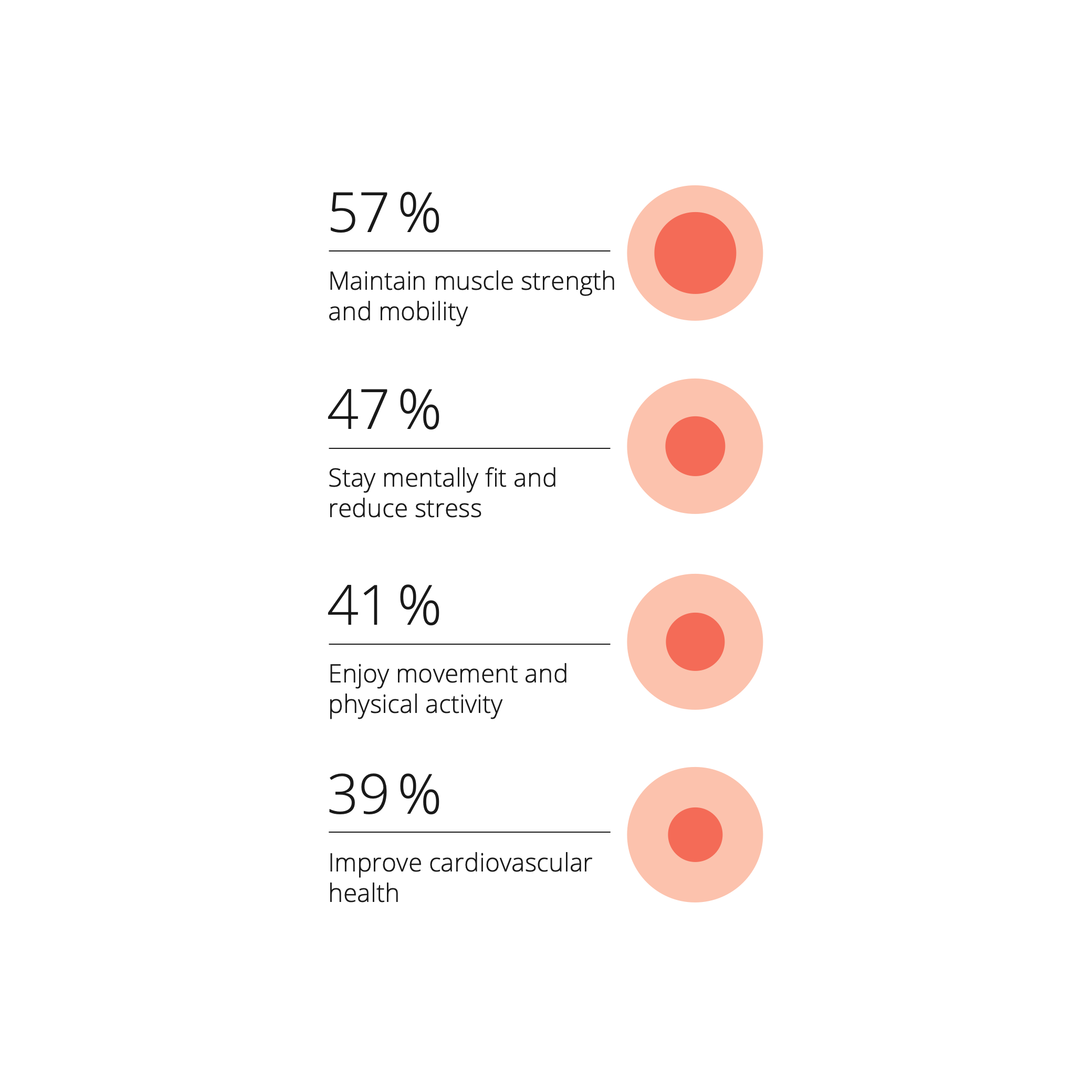
Motivations change as people grow older. While physical appearance tends to matter more to younger adults, maintaining mobility and cardiovascular health becomes increasingly important later in life.
By contrast, only 15% cite increasing their life expectancy as an important reason for exercising. So, muscles are certainly being trained, but their long-term role as a health reserve is rarely the main focus.
Can strength training help prevent illness?
What would happen if people were more aware of the importance of muscles for health? The response from the Swiss population is strikingly clear.
Some 85% would specifically incorporate strength training into their daily lives if they knew that muscle strength could reduce the risk of conditions such as diabetes, depression or dementia.
The challenge, therefore, appears to be less about a fundamental aversion to strength training and more about clearly communicating its health benefits. If you think of muscles solely in terms of fitness, you have little reason to change your behaviour. But viewing them as a long-term health reserve offers an entirely different perspective on strength training.

Philippe Knupp is an editor on the Sanitas Health Forecast team and provides editorial support for the annual study on the future of health. With a focus on health communication, he writes about topics that matter to people in Switzerland.
Methodology
| Institute responsible for conducting the study | intervista AG |
| Methodology | Online survey conducted via the intervista online panel |
| Survey period and analysis | Wave 1 – Fieldwork: 9-20 September 2025; analysis: October 2025 Wave 2 – Fieldwork: 12-21 November 2025; |
| Target group | People aged 18 to 74 in German-speaking, French-speaking and Italian-speaking Switzerland |
| Sample size | Wave 1: n = 2,532; Wave 2: n = 2,520 |
| Quotas & weighting | Representative of the population by age, gender and language region (interlocked) |
Podcast recommendations
Subscribe to the podcast on your favourite platform:
Spotify | Apple Podcasts | YouTube