Mixed metabolic type
Balance is your strength – your body works best when everything is in harmony.

This type needs neither extreme diets nor one-sided eating habits. Your metabolism responds best to a balanced mix of carbohydrates, proteins and fats. But this balance also makes you sensitive: if it is disrupted, energy slumps or fluctuations in performance can quickly become noticeable.
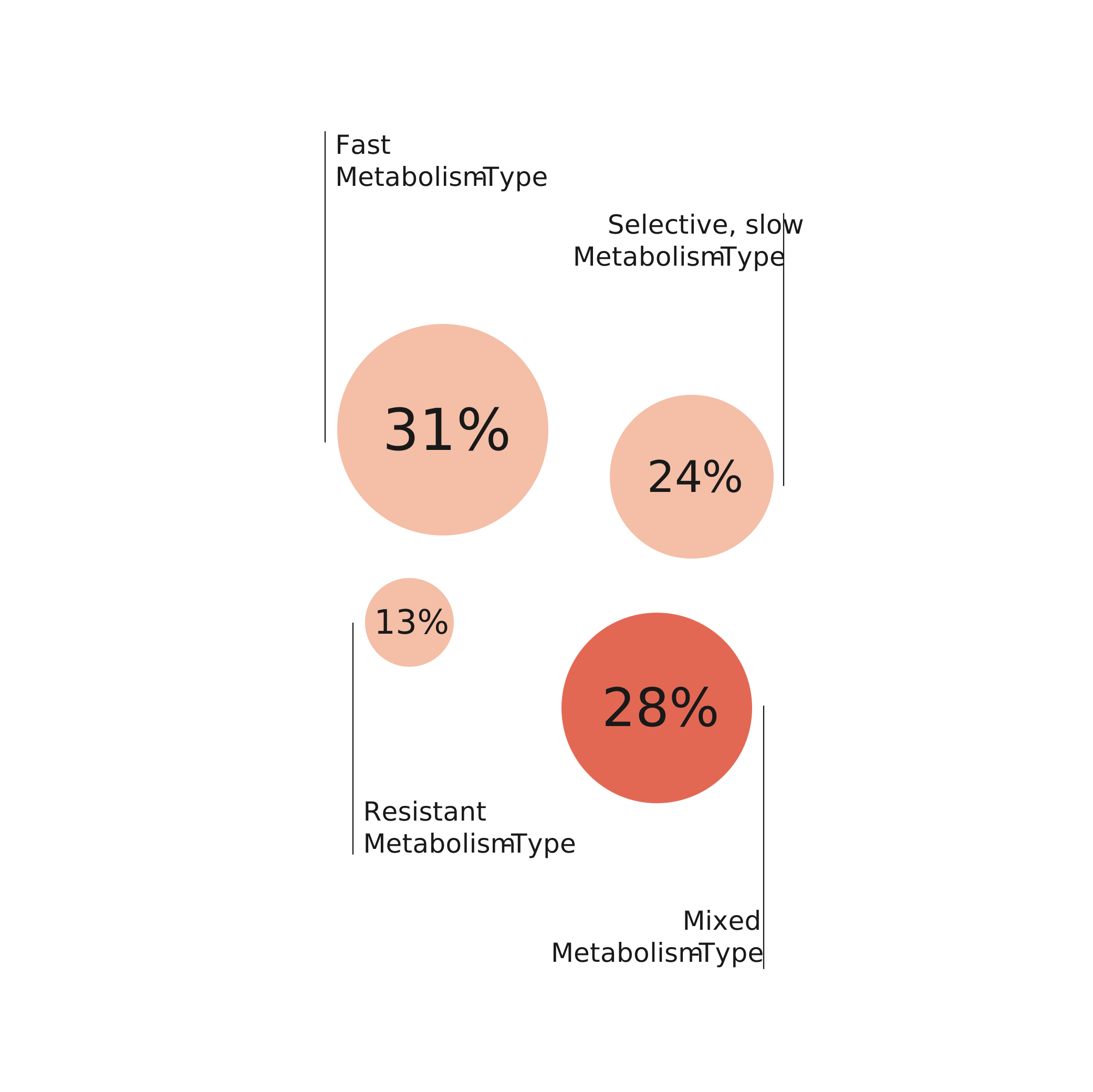
“28% of Swiss people have a mixed metabolism.”
28% of Swiss people identify with this type, making it the second-largest group after the fast metabolism types.
Source: “Sanitas Health Forecast 2026” study
-
Strengths
- Adaptable: Your body can handle different diets well – as long as the balance is maintained.
- Stable energy levels: With the right combination of nutrients, you stay productive and balanced.
- Good body awareness: You often notice changes in energy, hunger or mood early on.
-
Challenges
- Sensitive to imbalance: An unbalanced diet (e.g. too many fast carbohydrates) can quickly lead to fatigue.
- Fine-tuning needed: It takes care to find the perfect combination for you.
- Fluctuating energy: Irregular or poorly balanced meals have a faster impact compared to other types.
-
Tips
- Balance meals smartly: Combine carbohydrates, proteins and fats in every meal – this stabilises your blood sugar and prevents energy slumps.
- Listen to your body: Pay close attention to which meals leave you feeling energised or tired. Your body tells you what’s good for it.
- Vary your exercise: Switch between endurance and strength training – your metabolism loves variety just as much as your diet does.
Who belongs to the mixed metabolic type?
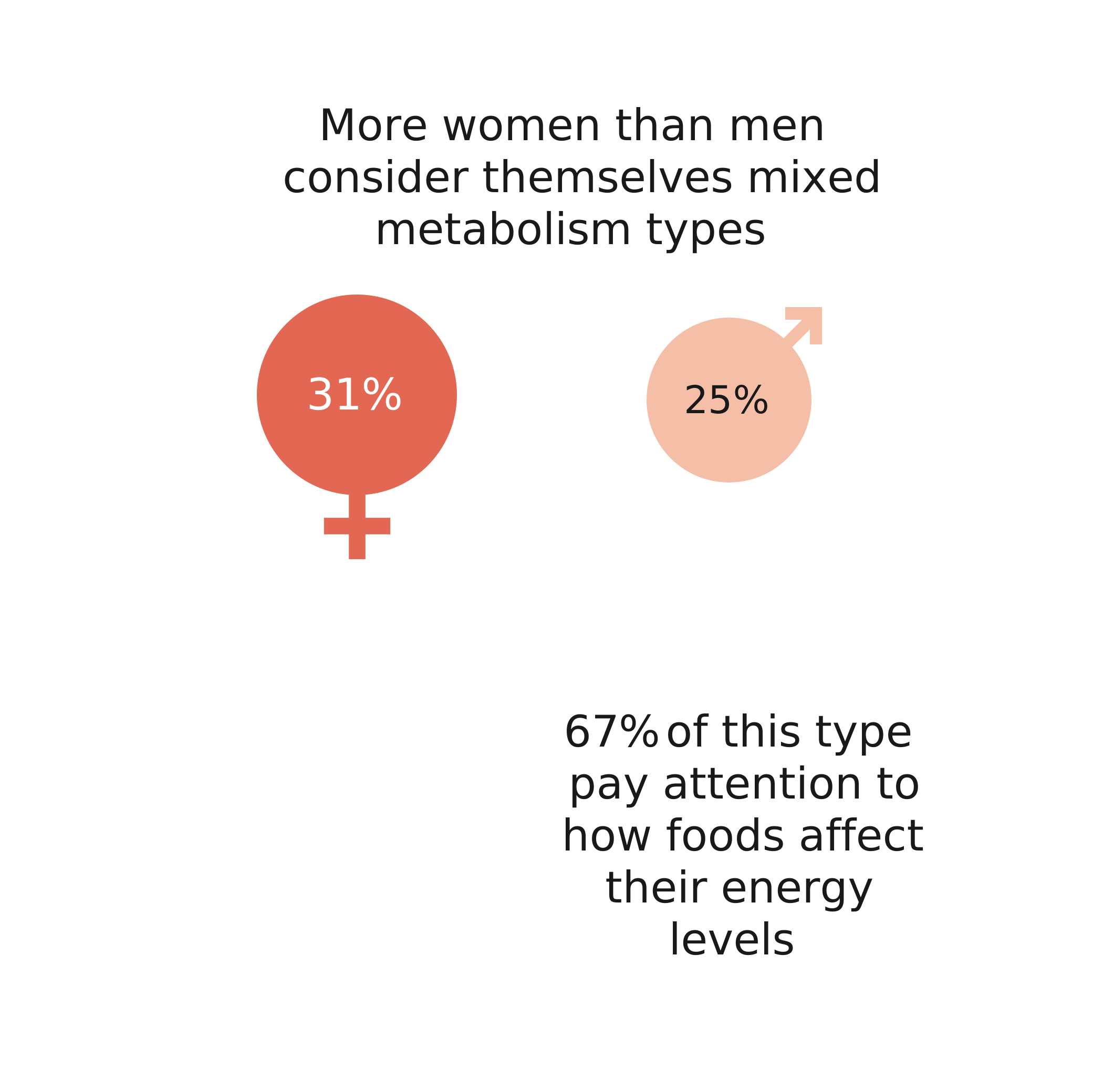
More than one in four people in Switzerland identifies with this type. Notably, women classify themselves as this type more often than men – and they pay particularly close attention to how nutrition affects their energy levels.
Source: “Sanitas Health Forecast 2026” study
What mixed metabolic types measure their body on
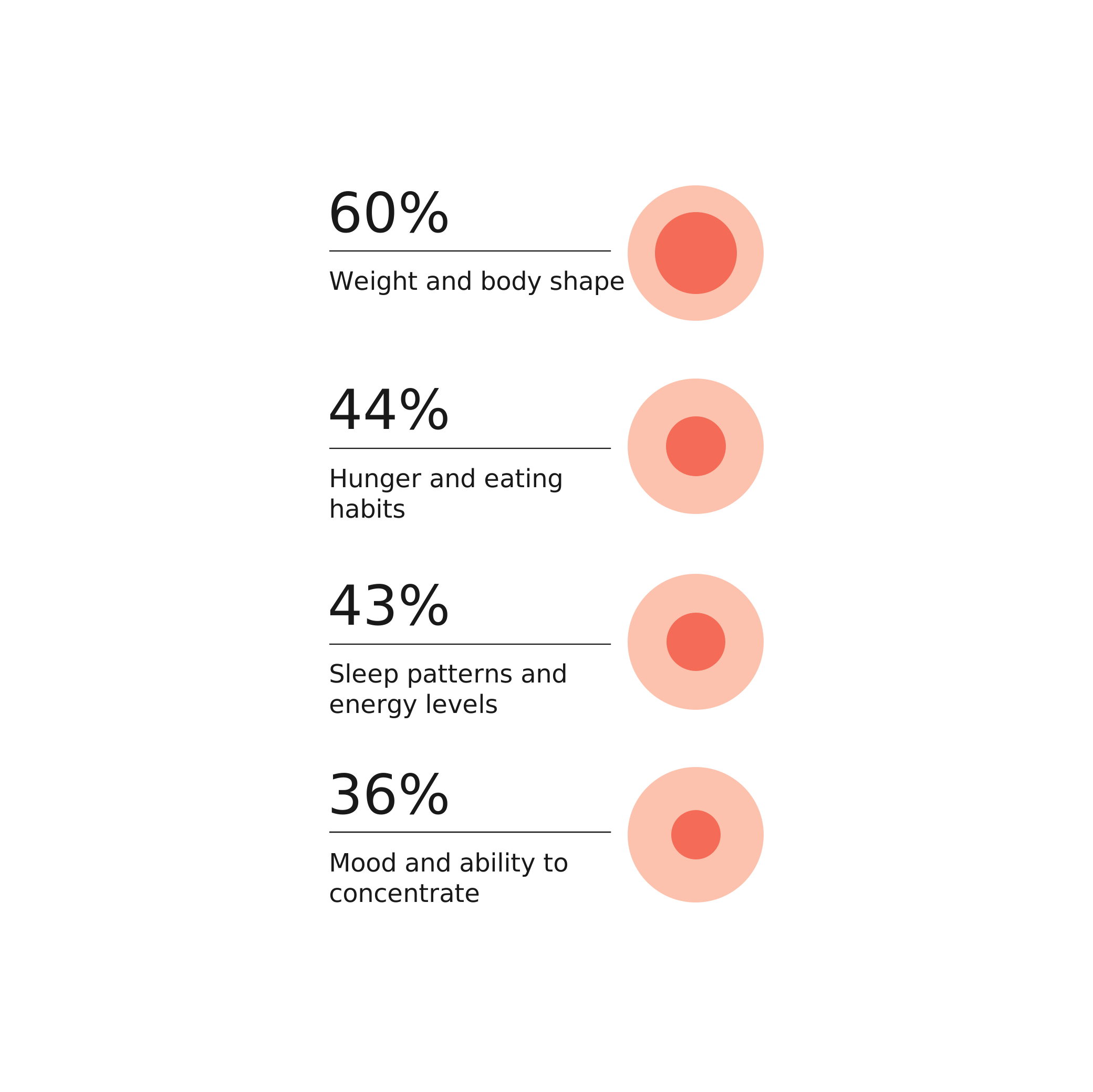
People with a mixed metabolism rely strongly on their sense of how their body feels. Weight, hunger and energy levels are particularly important signals for assessing whether their metabolism is in balance.
Source: “Sanitas Health Forecast 2026” study
Why exercise is crucial for your metabolism
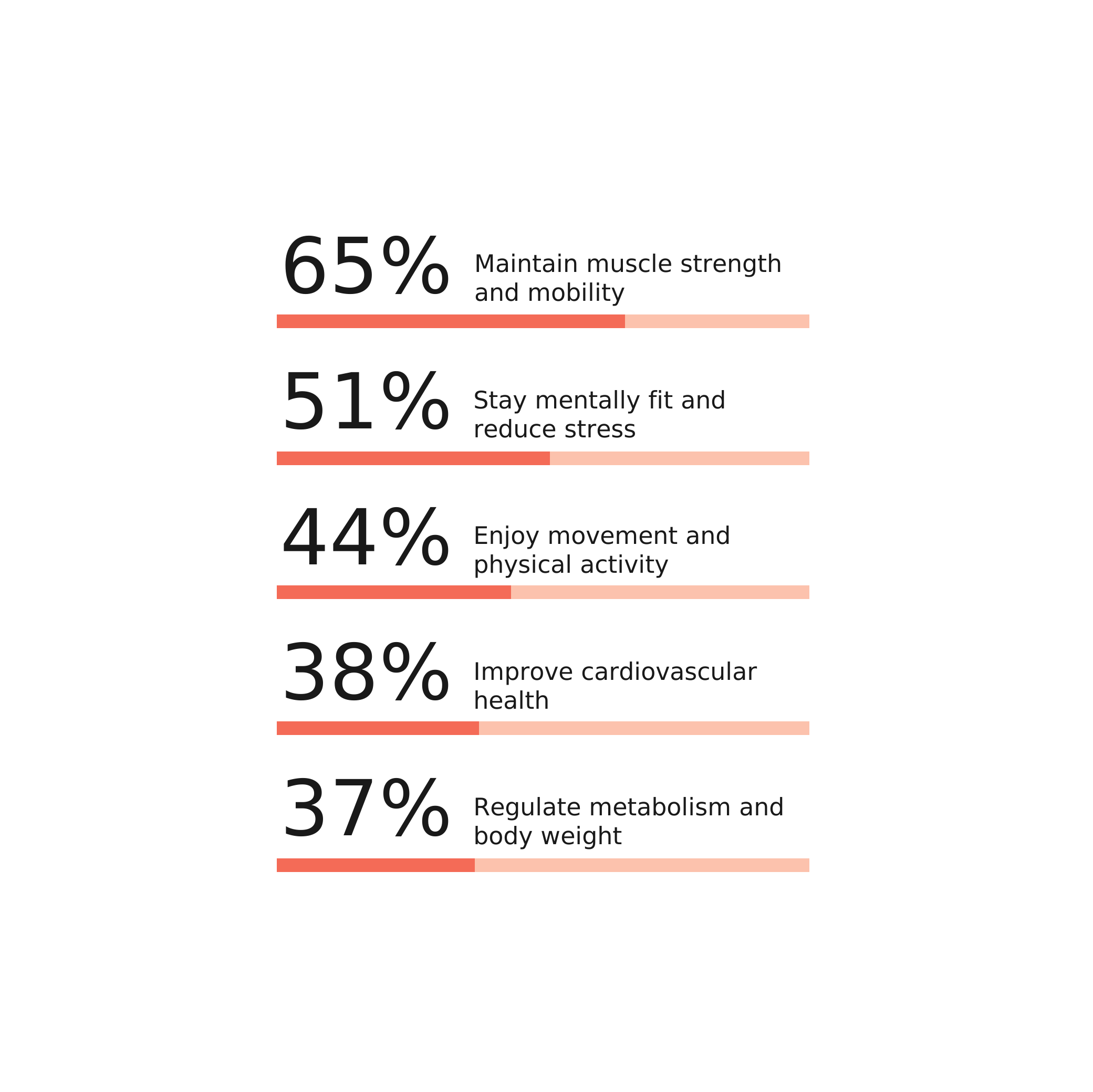
Regular exercise is one of the most effective ways to support a healthy metabolism. It improves insulin sensitivity, stabilises energy balance, and helps the body use nutrients efficiently. For mixed metabolism types in particular, who respond strongly to balance, exercise is a key factor in maintaining this stability
Source: “Sanitas Health Forecast 2026” study





Prepared for the future