Resistant metabolic type
Your body is conserving energy. With the right strategy, you can effectively support it in restoring balance.

You may feel that your body reacts differently from many others: You find it hard to lose weight, and not every diet produces the desired results. The resilient metabolic type works particularly efficiently – and that is precisely what makes change more challenging.
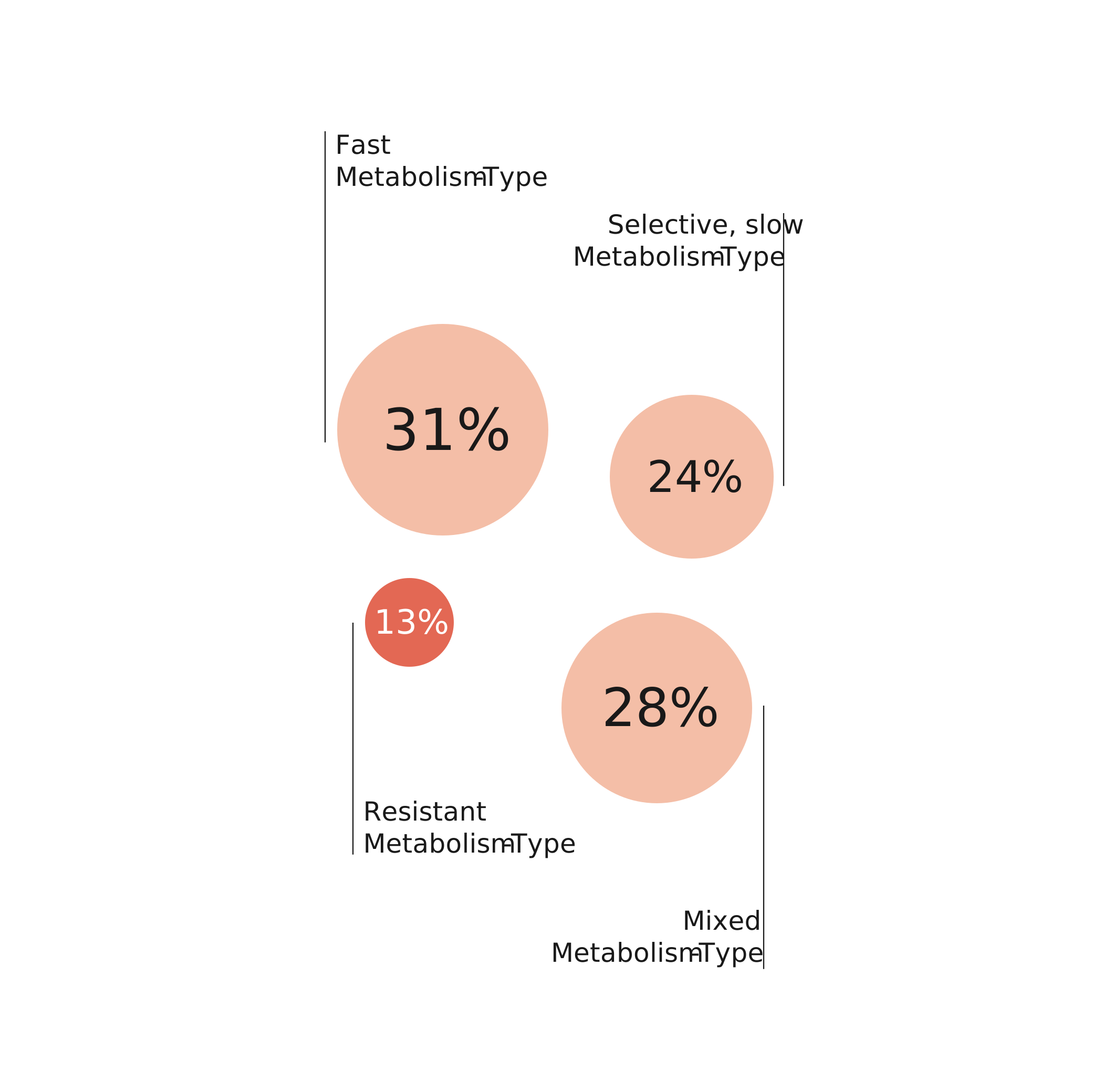
“13% of Swiss people have a resistant metabolism.”
13% of Swiss people identify with this type. They often need a personalised diet and a healthy lifestyle to feel good. Notably, this group shows the greatest willingness to make changes: 83% would be open to adapting their diet specifically to their metabolism.
Source: “Sanitas Health Forecast 2026” study
-
Strengths
- Efficient energy metabolism: Your body conserves energy – an advantage during periods of stress or when food is scarce.
- High willingness to adapt: You are particularly motivated to improve your lifestyle and try new approaches.
- Body awareness: You often closely monitor and reflect on your weight, energy levels and well-being.
-
Challenges
- Weight responds slowly: Changes take longer to become visible, which can be frustrating.
- Sensitive to carbohydrates: Blood sugar fluctuations can occur more quickly and affect your energy.
- Greater need for adjustment: Standard solutions often work less well – personalisation is crucial.
-
Tips
- Move in the morning: Start your day actively – even a short walk or gentle exercise stimulates your metabolism.
- Low in sugar & filling: Focus on protein-rich, high-fibre meals with little sugar – they keep you fuller for longer and stabilise blood sugar.
- Think long-term: Small, consistent steps are more effective than radical diets – establishing a routine is key.
Who belongs to the resistant metabolic type?
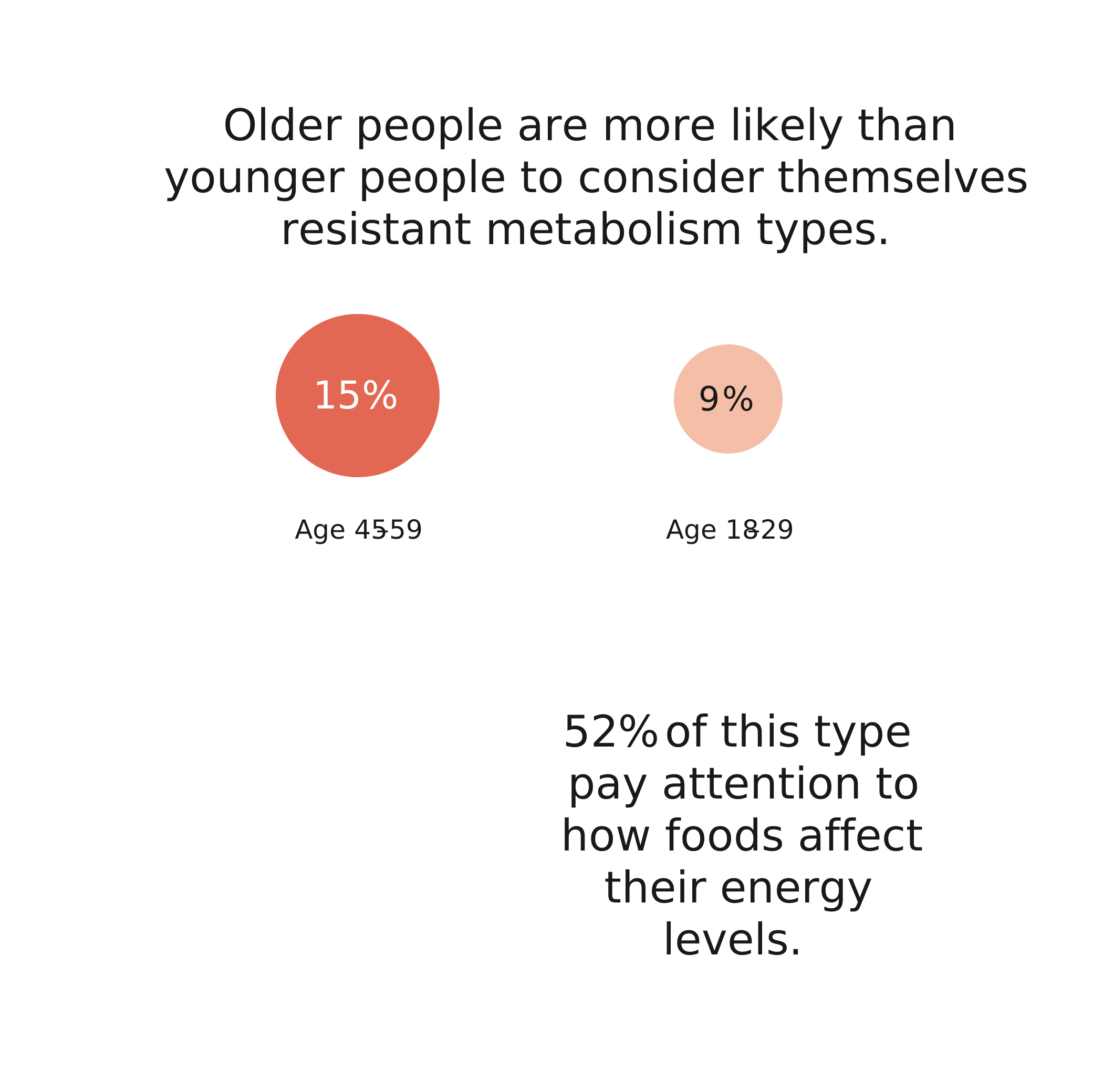
Resistant metabolic types are more common among middle-aged people than in younger age groups. At the same time, more than half consciously pay attention to how nutrition affects their energy levels – a sign of strong body awareness.
Source: “Sanitas Health Forecast 2026” study
What do resistant metabolic types measure their body on?
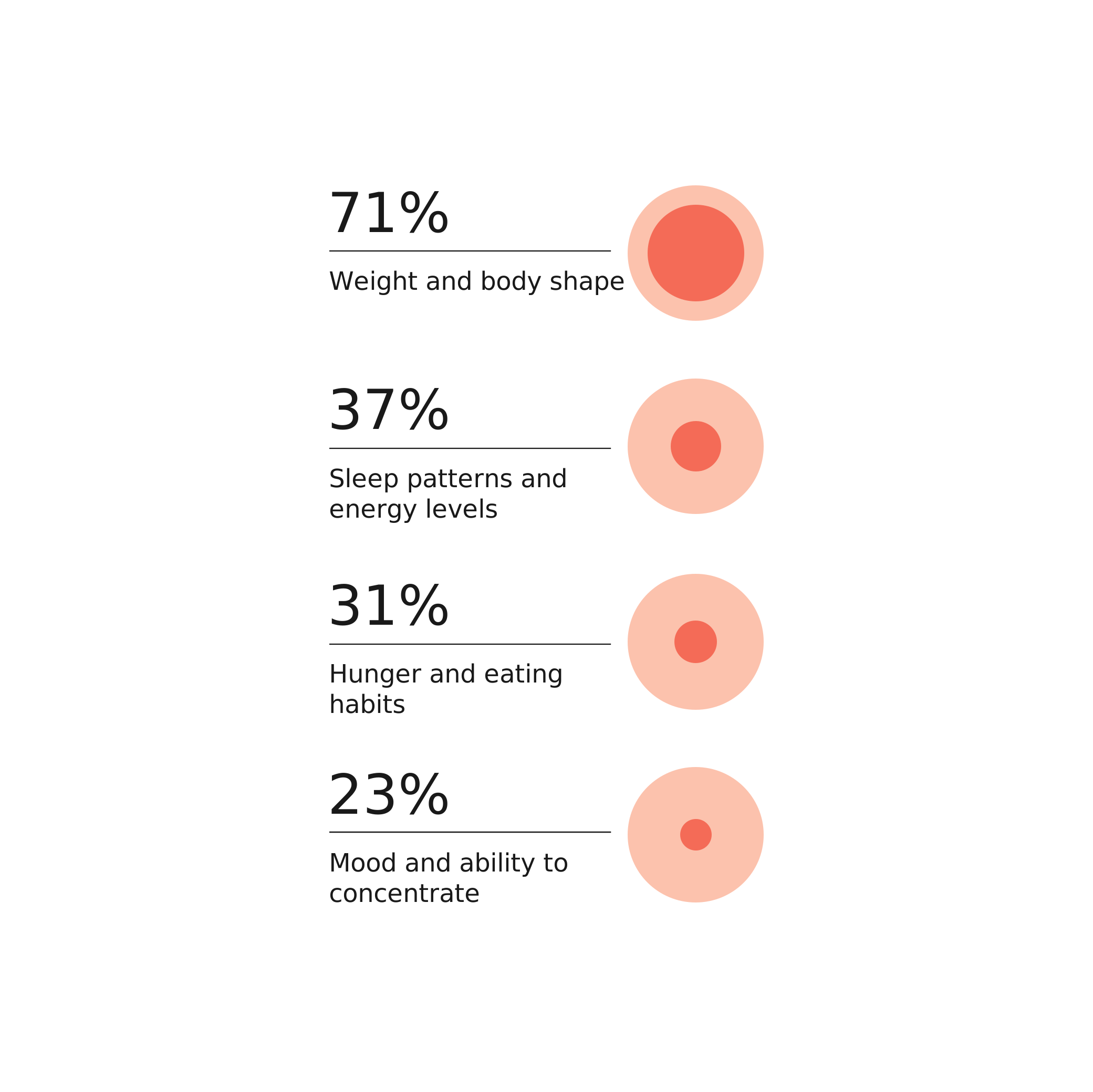
For this type, body weight is the most important indicator: 71% use it to assess whether their metabolism is functioning well. Energy levels, sleep and hunger also play an important role, as they reveal how sensitively the metabolism responds to change.
Source: “Sanitas Health Forecast 2026” study
Why exercise is crucial for your metabolism
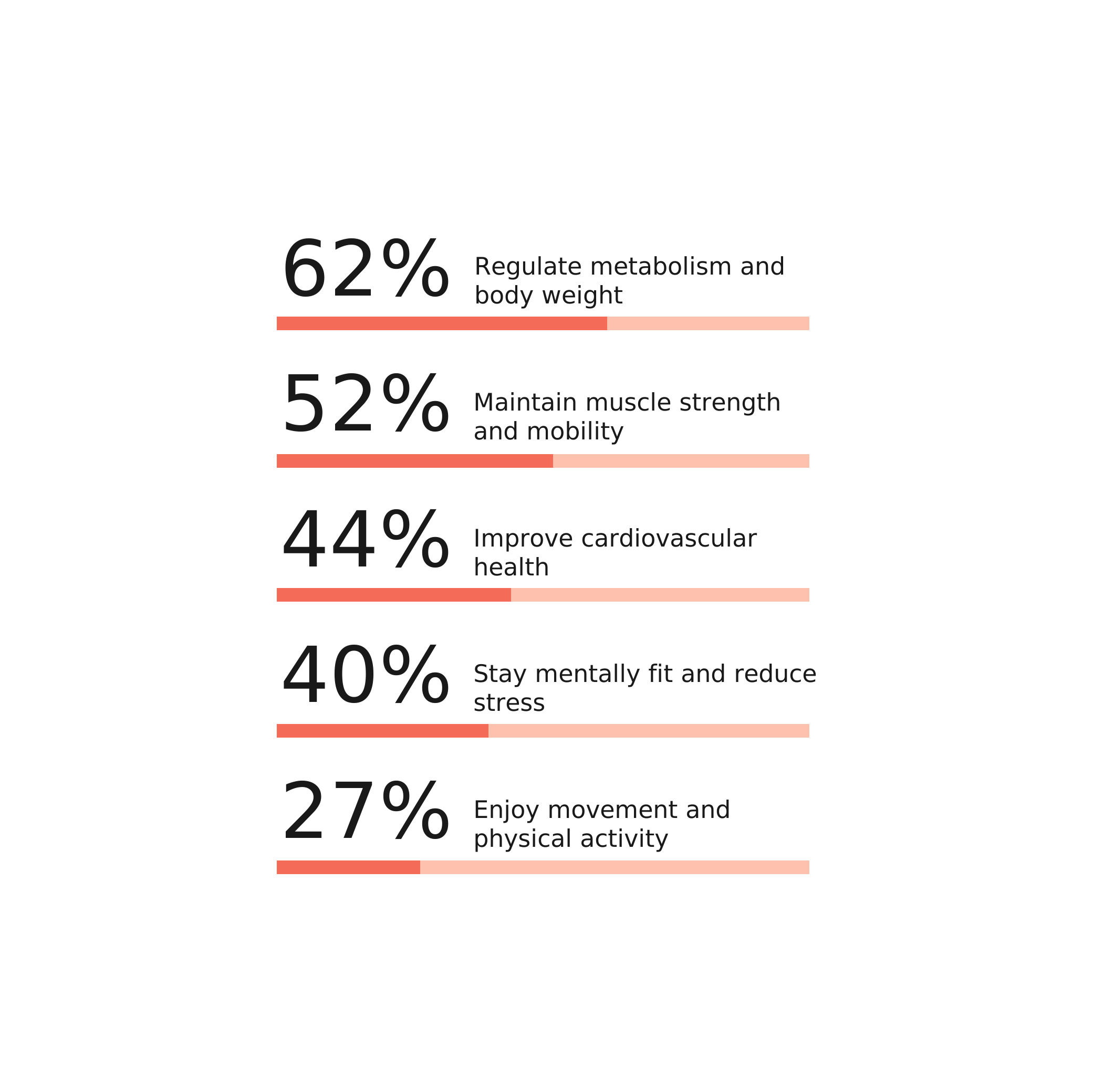
Exercise is one of the most effective ways to activate a sluggish metabolism: It improves insulin sensitivity, supports muscle building and increases the basal metabolic rate. For resistant metabolic types in particular, regular activity is crucial to bring the body out of energy-saving mode in the long term and better regulate weight and energy.
Source: “Sanitas Health Forecast 2026” study





Prepared for the future