Selective metabolic type
Your body reacts sensitively to what you eat – with the right choices, you will find stable energy.

You quickly notice when something is off. After certain meals, you feel tired, your weight reacts sensitively and your energy levels fluctuate. The selective metabolic type does not process nutrients evenly – which is why making the right choices matters.
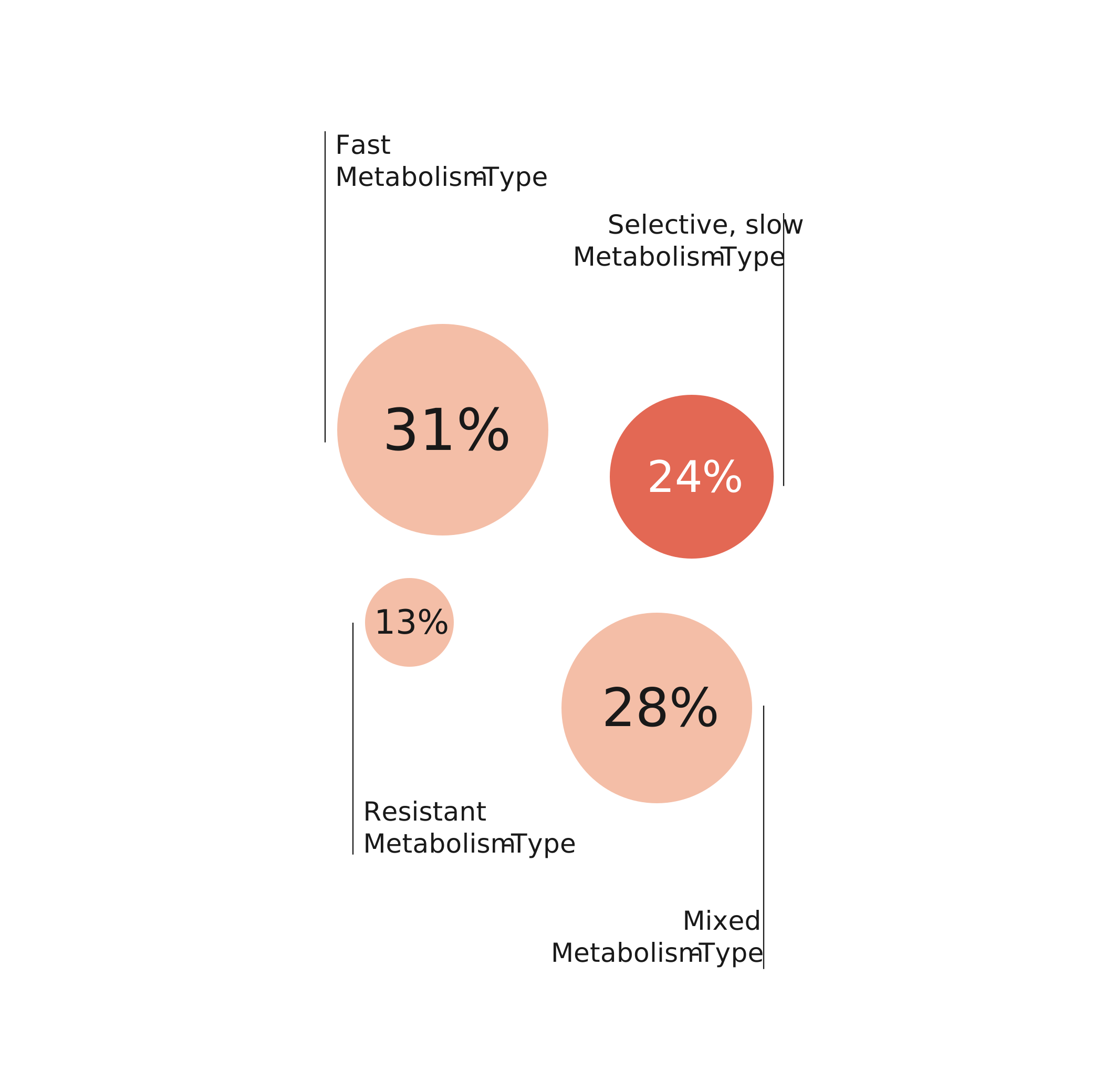
“24% of Swiss people have a selective metabolism.”
About a quarter of Swiss people (24%) identify with this type. You gain weight more quickly and often feel less productive after carbohydrate-rich meals. The term “slow” refers less to speed itself and more to how efficiently the body stores energy. Nutrients are more likely to be stored than burned quickly, especially when carbohydrate intake is high.
Source: “Sanitas Health Forecast 2026” study
-
Strengths
- A high level of awareness of your own body: You are very aware of which foods are good for you – and which are not.
- Healthy eating: Many people of this type actively monitor their energy levels and think about their diet.
- Good manageability: With the right combination of nutrition and structure, you can stabilise your energy balance in a targeted way.
-
Challenges
- Prone to energy slumps: Fatigue can occur, especially after carbohydrate-rich meals
- Rapid weight gain: The body stores excess energy efficiently.
- Dependent on structure: Irregular or poorly balanced meals have a faster impact.
-
Tips
- Proteins first: Start each meal with a source of protein (egg, fish, tofu). This stabilises your blood sugar and keeps you fuller for longer.
- Refuel consciously: Plan meals before you get hungry – this helps avoid cravings for fast carbohydrates.
- Maintain a calm routine: Regular meals and fixed meal times give your metabolism the structure it needs.
Who belongs to the selective metabolic type?
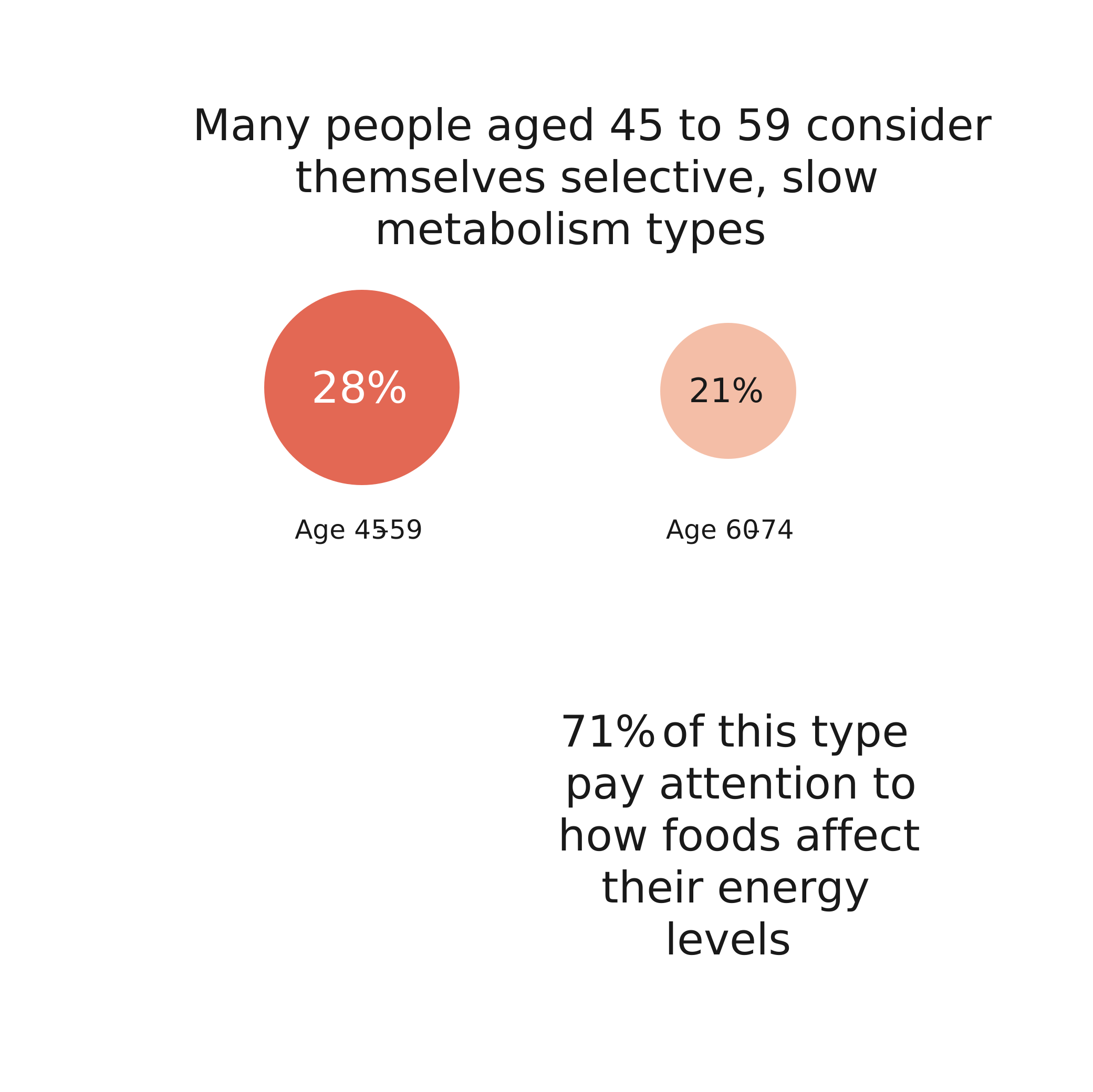
The selective metabolic type occurs particularly often in middle age. In the 45 to 59 age group, it is significantly more common than among older people. At the same time, there is a strong awareness of the body’s own signals – 71% pay attention to how food affects their energy levels.
Source: “Sanitas Health Forecast 2026” study
What selective metabolic types measure their body on
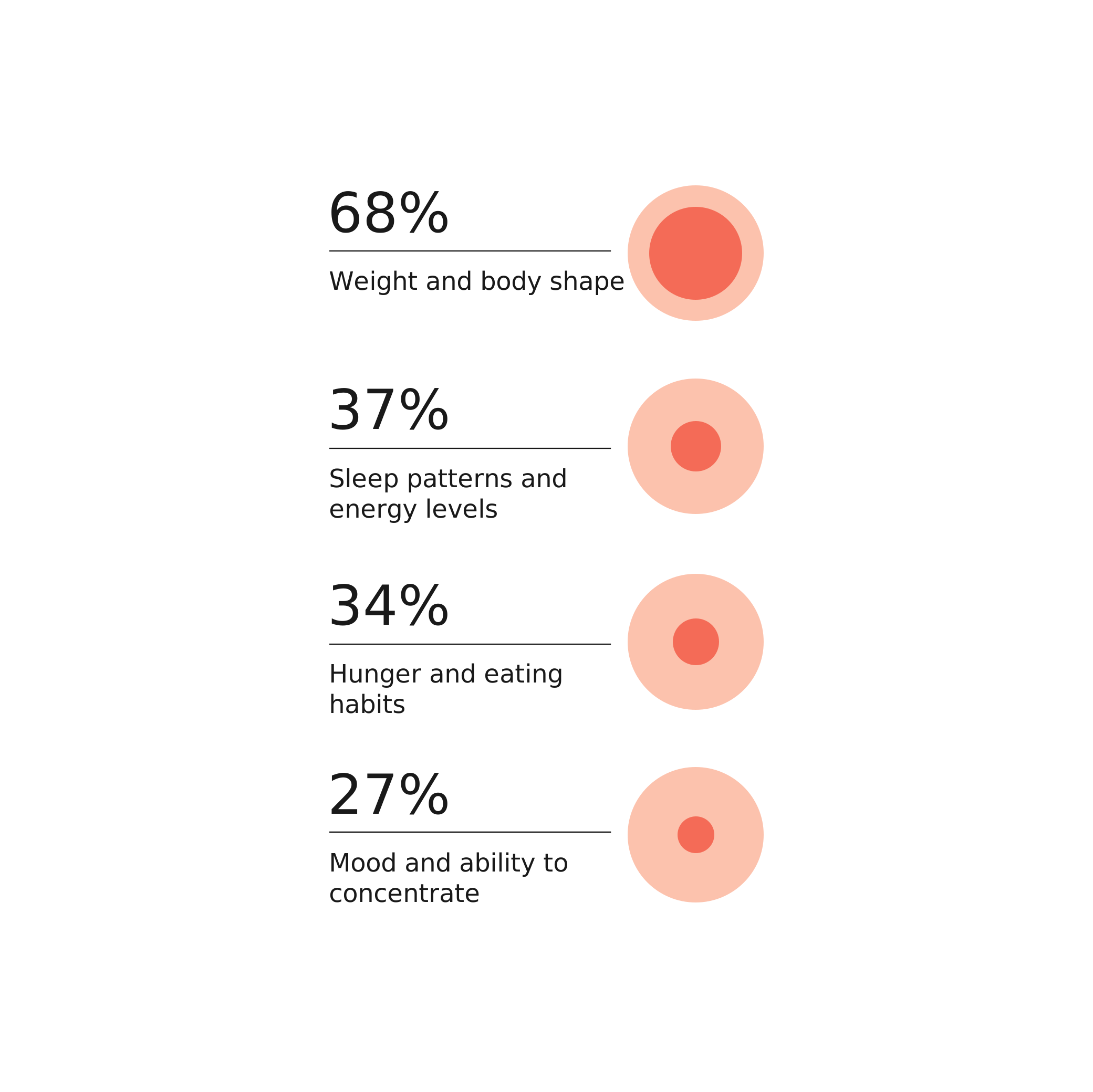
Body weight is the most important indicator for this type: Most people use it to assess whether their metabolism is functioning well. Energy levels, sleep and feelings of hunger also play a central role, as they show how sensitively the body responds to nutrition.
Source: “Sanitas Health Forecast 2026” study
Why exercise stabilises your metabolism
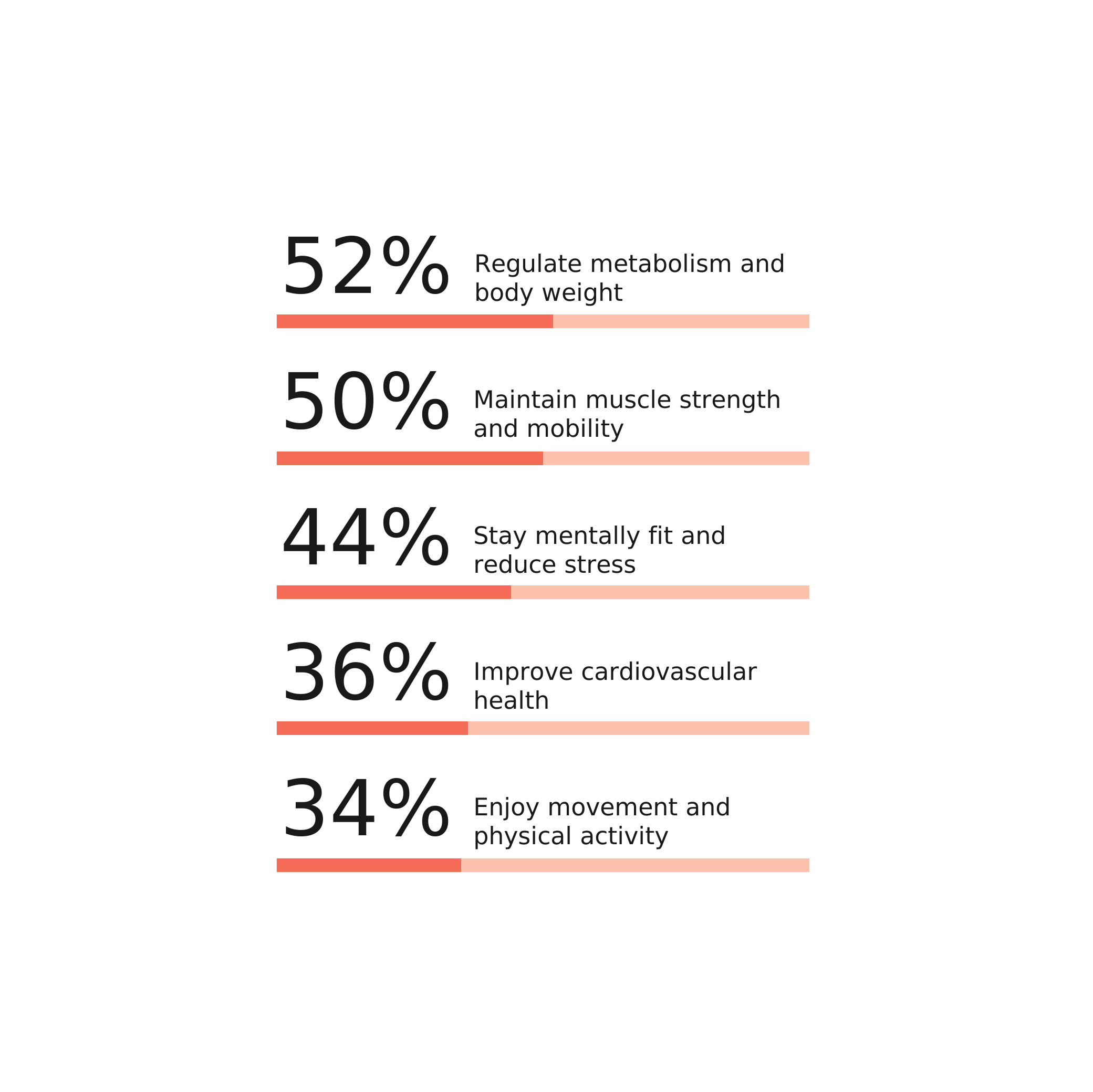
Regular exercise helps reduce blood sugar fluctuations and improve insulin sensitivity – two key factors for this metabolic type. Muscle activity helps the body use energy more efficiently, which stabilises the metabolism and makes weight easier to manage. For selective metabolism types in particular, exercise is therefore a crucial tool for boosting energy levels and achieving balance in everyday life.
Source: “Sanitas Health Forecast 2026” study





Prepared for the future