Type 1 diabetes: symptoms, causes and treatment
Around 50,000 people in Switzerland live with type 1 diabetes. They have to inject insulin every day, check their blood sugar levels and monitor the energy content of each meal.
- What is type 1 diabetes?
- Symptoms of type 1 diabetes
- Causes and risk factors: How do you get type 1 diabetes?
- Diagnosis: How is diabetes diagnosed?
- Insulin treatment
- Nutrition with type 1 diabetes: what can I eat?
- Living with type 1 diabetes
- What do I need to consider during pregnancy?
- Life expectancy
- Weitere Artikel
Diabetes develops gradually, but the symptoms often come on suddenly. You feel exhausted all the time, your thirst is unquenchable and your weight drops – then comes the diagnosis: type 1 diabetes. It’s an autoimmune disease that will change your life. However, thanks to state-of-the-art treatments, sensors and insulin pumps, blood sugar levels can now be controlled more precisely than ever before.
What is type 1 diabetes?
Type 1 diabetes is an autoimmune disease. This means that the immune system attacks its own body; specifically the beta cells in the pancreas, which normally produce the hormone insulin.
Insulin acts like a key that opens the cells so that the body can convert the sugar absorbed through food and drink into energy. Without insulin, however, the sugar remains in the blood and accumulates. The high concentration of sugar in the blood then leads to a whole range of symptoms.
In the past, the term “juvenile” or “insulin-dependent” diabetes was used because the disease often occurs in childhood or adolescence, but, in fact, it can affect people of any age. According to the Diabetes Switzerland association, around 50,000 people in Switzerland are affected by type 1 diabetes.
What is the difference between type 1 and type 2 diabetes?
Both type 1 and type 2 diabetes lead to increased blood sugar levels, but the causes are fundamentally different. While insulin production comes to a complete standstill in type 1 diabetes, the body can no longer use the available insulin properly in type 2 diabetes.
With type 1 diabetes, the immune system attacks the insulin-producing cells of the pancreas and destroys them. Symptoms usually occur suddenly and, if left untreated, often lead quickly to dangerously high blood sugar levels. Those affected therefore need to start injecting insulin from the outset to regulate their blood sugar levels.
Type 2 diabetes, on the other hand, develops gradually. Although the pancreas continues to produce insulin, the body’s cells no longer respond adequately to it. Experts refer to this as insulin resistance. Often there is even too much insulin in the blood at first, until the cells “exhaust” themselves at some point and production decreases.
Risk factors for type 2 diabetes include being overweight, lack of exercise and genetic predisposition. It used to be considered adult-onset diabetes, but today it is increasingly affecting younger adults and adolescents, especially those who are severely obese. Over 450,000 people in Switzerland are diagnosed with type 2 diabetes.
In contrast to type 1, type 2 diabetes can often be positively influenced by lifestyle changes. A balanced diet, regular exercise and losing weight can significantly improve blood sugar levels. Only if these measures are not sufficient are tablets or later insulin prescribed.
Almost 589 million people worldwide live with diabetes – and the trend is rising. The International Diabetes Federation predicts that the number of people affected will increase by 45% to over 850 million by 2050.
Symptoms of type 1 diabetes
The classic symptoms of type 1 diabetes include a strong feeling of thirst and frequent urination. The body tries to excrete the excess sugar via the urine, which causes it to lose fluid. Other symptoms include fatigue, listlessness and weight loss, even though those affected eat normally. Some people affected report impaired vision, dry skin or itching.
If type 1 diabetes remains undetected or is not treated properly, blood sugar levels can rise dangerously. The body then goes into metabolic derailment, known as diabetic ketoacidosis. Typical symptoms include abdominal pain, nausea, vomiting, deep, rapid breathing and breath that smells of acetone.
Untreated ketoacidosis can even lead to a diabetic coma and is an emergency that requires immediate medical treatment. Anyone who notices such symptoms in themselves or their relatives should call the emergency services (144) immediately.
Symptoms of diabetes in children
Type 1 diabetes is the most common metabolic disease in children and adolescents. Typical warning signs in children include:
- Constant thirst
- Frequent urination
- Weight loss
- Fatigue
Unfortunately, the disease is often only detected very late. According to the German Diabetes Association, around one in four children is already diagnosed with diabetic ketoacidosis (DKA).
Similar to adults, the symptoms of DKA in children also include abdominal pain, nausea, vomiting, rapid breathing and breath that smells of acetone. However, such symptoms are easily overlooked or mistaken for an infection, especially in younger children. Rapid medical clarification is crucial to prevent serious complications.
Causes and risk factors: How do you get type 1 diabetes?
Unlike type 2 diabetes, type 1 diabetes is not the result of a poor diet or lack of exercise. It occurs because the immune system turns against its own body. Why this happens has not yet been fully clarified.
However, it is clear that various factors interact. Genetic predisposition, for example. Children of mothers with type 1 diabetes are around 3% more likely to develop the disease, while the risk for affected fathers is around 5%. If both parents have the disease, the figure rises to around 25%, according to diabinfo.de, the national diabetes information portal run by the German Diabetes Center and the German Center for Diabetes Research. However, almost 90% of children affected have no history of type 1 diabetes in their family.
In addition to genetic predisposition, researchers are discussing various environmental factors. Studies indicate that viral infections – such as coxsackie, mumps or rubella viruses – could play a role. Vitamin D deficiency, caesarean sections, early introduction of gluten-containing solid foods or the composition of the gut flora are also suspected of increasing the risk of the disease.
Before the disease breaks out, the beta cells are often attacked unnoticed for months or years. Only when a large proportion of these cells are destroyed do the blood sugar levels become unbalanced and the typical symptoms appear.
Diagnosis: How is diabetes diagnosed?
Diabetes used to be diagnosed by the sweet taste of the urine, which is where the name Diabetes mellitus, which means “honey-sweet flow”, comes from. Today, modern tests make diagnosis simple and reliable.
The most important step is to measure the blood sugar levels. Blood is taken for this, usually in the morning and on an empty stomach, i.e. after at least eight hours without food or sugary drinks. The University Hospital of Zurich explains that permanently elevated blood sugar levels is the key diagnostic criterion.
If the values are in the limit range, a sugar tolerance test often follows. The patient drinks a sugar solution, and the blood sugar levels are measured again after two hours to see how strongly they have risen. This shows how well the body can process the absorbed glucose.
The doctor also determines the long-term blood sugar levels, which show how high the blood sugar was on average over the last two to three months. A permanently elevated value is considered an indication of diabetes.
Insulin treatment
Although type 1 diabetes cannot be cured today, it can be treated very successfully. The goal is always to keep the blood sugar levels as stable as possible and avoid fluctuations. Once the values are well adjusted, those affected can lead an active life without any symptoms.
Insulin replaces what the body no longer produces
As the pancreas no longer produces its own insulin, those affected have to supply themselves with the hormone for the rest of their lives. The standard approach today is intensive insulin therapy (ICT) based on the basal-bolus principle: A long-acting insulin covers the body’s basic needs, while a fast-acting insulin is injected at mealtimes. This allows the natural course of blood sugar to be simulated as accurately as possible.
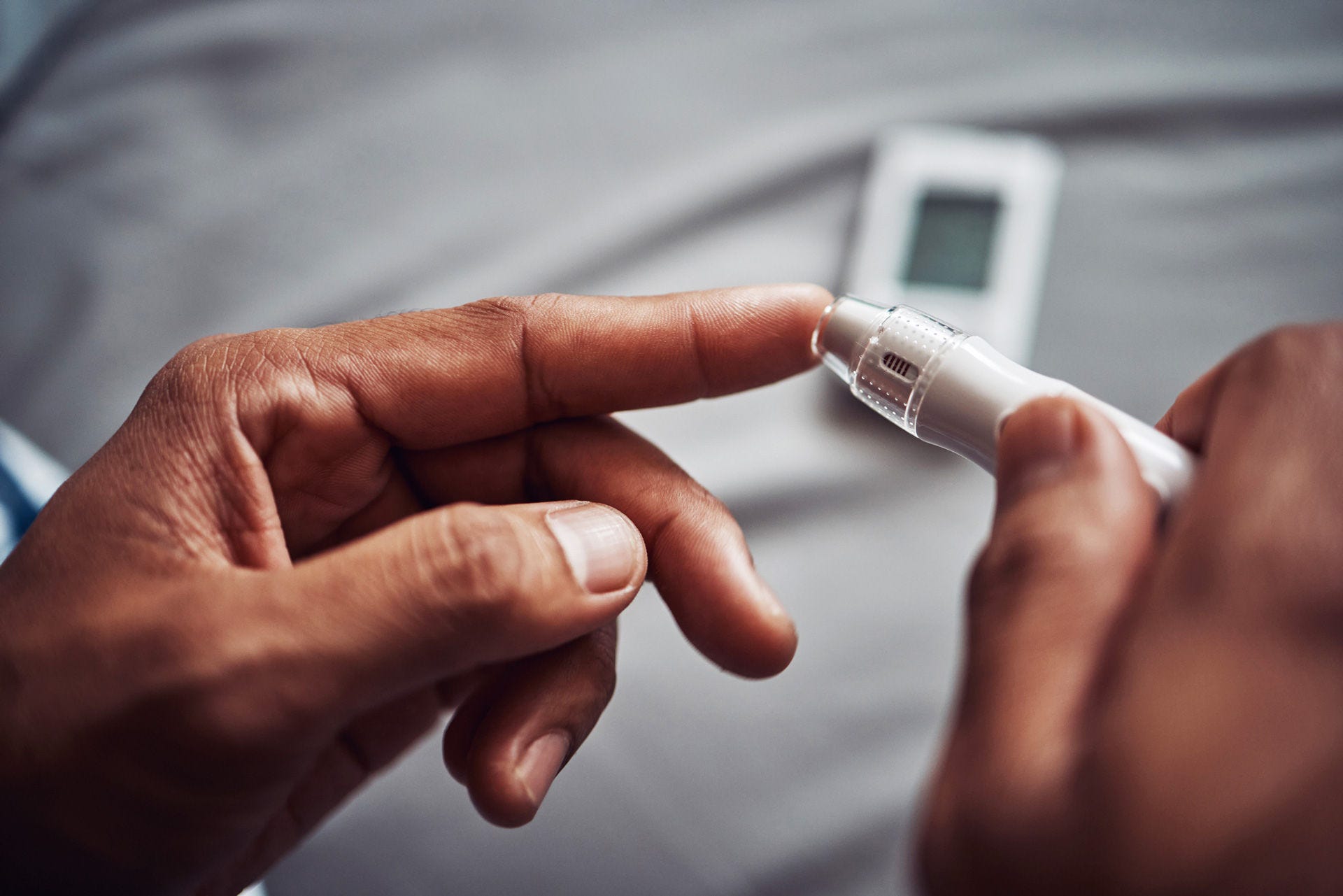
Patients measure their blood sugar several times a day – either conventionally by finger prick or using a continuous glucose monitor (CGM), which provides continuous readings.
Today, modern insulin pumps take over a large part of this work. They automatically deliver small amounts of insulin and can be amended manually if necessary. In combination with glucose sensors, they can detect changes at an early stage and regulate the dosage automatically in some cases.
The most modern variant is the hybrid closed-loop system – an insulin pump that doses insulin almost automatically via sensors. According to diabinfo.de, this system is helping more and more people with type 1 diabetes to prevent severe hypoglycaemia and achieve a more stable metabolic situation.
People with type 1 diabetes take on a large part of their treatment themselves. They have to learn to measure their blood sugar, adjust insulin doses, estimate the sugar content of meals and take physical activity into account correctly. This takes knowledge, routine and effective support. Diabetes training courses provide the necessary know-how.
New hope from research
A small but highly regarded clinical trial has recently attracted attention. Researchers in the USA and Canada have succeeded in transplanting stem-cell-derived insulin cells into people with type 1 diabetes. This treatment was administered to 14 patients – with astonishing success, according to the New England Journal of Medicine. After one year, ten out of twelve people treated were able to keep their blood sugar stable without insulin injections.
Although patients have to take medication to prevent immune reactions, experts believe it could be a potential breakthrough in diabetes research. The procedure is still experimental, but it raises hope that type 1 diabetes could one day be curable.
Nutrition with type 1 diabetes: what can I eat?
A balanced diet is an important part of diabetes treatment. As the Diabetes Switzerland association points out, it is one of the three pillars of therapy alongside exercise and insulin. The aim is to stabilise blood sugar, blood lipids and blood pressure and prevent complications.
Generally speaking, people with type 1 diabetes can eat anything – the amount and combination are what’s important. Thanks to insulin therapy and pumps, their meal times are now more flexible. It is important to consume carbohydrates consciously and to adjust the insulin dose accordingly. This helps keep the blood sugar stable.
-
Opt for complex carbohydrates
Diabetes Switzerland recommends prioritising complex carbohydrates from whole grain products, pulses, vegetables and salad. These cause blood sugar to rise more slowly and provide longer-lasting energy. Simple carbohydrates – for example in sweets, honey or fruit juices – quickly raise blood sugar levels, and should therefore be the exception in everyday life.
-
Protein and fat for balance
Protein from meat, fish, dairy products, eggs, tofu, pulses and seitan should be part of every meal. They fill you up and stabilise your blood sugar. Healthy fats from nuts, vegetable oils and oily fish are also recommended. According to Diabetes Switzerland, however, saturated fats found in cold cuts, butter or convenience food should be eaten as little as possible in order to lower the risk of cardiovascular disease.
-
A typical meal
The plate model recommended by Diabetes Switzerland helps to plan meals easily:
½ plate: vegetables, salad and a little fruit
¼ plate: protein-rich foods
¼ plate: starchy side dish
Living with type 1 diabetes
Daily life with type 1 diabetes can be managed well with know-how, routine and support. It is important to set realistic goals and follow a plan that suits your lifestyle.
-
Psychological impact
Managing the disease every day can be stressful, with constant worries about hypoglycaemia and complications. And it can have more than just emotional consequences. Known as diabetes distress, untreated mental health issues can make diabetes worse. That’s why it’s worth taking the psychological signals seriously and getting help.
-
Acceptance
Living with diabetes requires patience. Acceptance is essential. It’s OK to be annoyed or overwhelmed at times, but you have to remain active. Anyone who lives with diabetes will experience times when their motivation is low. Training courses, talking to other people and setting realistic goals can help keep you on track.
-
Work
People with diabetes can pretty much do any job, as long as they have their treatment under control. Jobs with special demands, such as shift work or passenger transport, may require individual risk assessment. Open communication within the team increases safety, especially if colleagues know how to react in an emergency.
-
Exercise
Exercise improves insulin sensitivity, blood pressure, well-being and prevents complications. The biggest challenge is to prevent blood sugar levels from falling too low, which can be done by adjusting the insulin dose and carbohydrate intake to the load. This is a simple and flexible process nowadays thanks to insulin pumps and continuous glucose monitors.
-
Driving
Low blood sugar can impair reactions. So, measure your blood sugar before setting off, keep fast-acting carbohydrates in the car and take warning signs seriously. In Switzerland, drivers are assigned a risk level depending on their therapy, with corresponding requirements.
-
Travel
Good planning is crucial, particularly with time differences, long flights or a lot of activity. Insulin and any equipment needed to administer it must be carried as hand luggage. Make sure to take a medical certificate with you. Before departure, check your insurance cover, vaccinations and travel medical recommendations. The risk of hypoglycaemia increases in warm climates or with gastrointestinal infections. So it’s worth checking your blood sugar more frequently and having fast-acting carbohydrates to hand.
-
Getting older
As you get older, it is most important to avoid hypoglycaemia. Therapy, medication and medical aids should be regularly adjusted in close consultation with your family doctor or diabetologist, taking into account your daily routine, kidney function and personal capabilities.
Diabetes Switzerland offers information material, useful factsheets and practical brochures with a specific focus on Switzerland. The diabinfo.de information portal, a service run by the German Diabetes Center and the German Center for Diabetes Research, also provides comprehensive information.
What do I need to consider during pregnancy?
A pregnancy with Type 1 diabetes is very possible today, thanks to modern technologies such as insulin pumps and continuous glucose monitors that allow precise blood sugar control. Early planning is important: stabilising blood sugar levels before conception significantly reduces the risk of malformations and complications.
Good preparation and close monitoring
Not every pregnancy with type 1 diabetes is necessarily a high-risk pregnancy. It is crucial that the mum-to-be’s metabolism is well adjusted and that she has no serious concomitant diseases.
The diabetology and gynaecology teams have to work closely together – ideally before the woman falls pregnant. Experts also recommend that folic acid is taken daily at least three months before conception to prevent malformations of the child’s nervous system.
Insulin requirements change continuously during pregnancy: Less insulin is usually needed at the beginning, but significantly more towards the end. Regular checks and flexible amendments to the dose are therefore crucial in order to avoid hyperglycaemia or hypoglycaemia.
Birth and the time afterwards
Around childbirth, the need for insulin falls rapidly, so the dosage required during and after delivery should be determined in advance. After childbirth, the requirement initially drops sharply, then usually returns to the pre-pregnancy level.
The newborn is carefully monitored in the first few hours after birth in order to detect hypoglycaemia at an early stage. Breastfeeding helps to stabilise the baby’s blood sugar and also has a beneficial effect on the mum’s metabolism.
Life expectancy
An analysis of data from over 200 countries published in the British Medical Journal shows that people with type 1 diabetes are living longer than they used to, and the disease-related burden in old age has generally decreased. Since the 1990s, mortality among the over-65s has fallen and serious illnesses occur less frequently – especially in places where access to care is good. Researchers emphasise that regular measurement, good insulin dosage, exercise, a healthy diet and regular medical check-ups are the key to good values.
A British data analysis from 2020 shows just how important these factors are: on average, people with type 1 diabetes lived around seven to eight years less if their values were poor for a long time. According to the authors, each additional year of problematic blood sugar control shortened life expectancy by roughly three months.