Sport during pregnancy: Tips & Videos
Even with a baby bump, pregnant women don't have to do without sport. On the contrary: exercise is good for both you and your unborn child.
When you’re pregnant, it’s important never to train alone. Your baby’s pulse rate also increases when you do exercise, but that’s not a bad thing. It’s even recommended that you do sport during pregnancy.
Regular exercise helps build up muscles, strength and endurance, all of which prevent or ease common pregnancy-related complaints such as back pain, water retention and muscular aches and pains. Sport also improves blood circulation, which reduces the risk of thrombosis and has a positive impact on blood lipids and blood sugar.
This helps avoid excessive weight gain and prevent gestational diabetes. Last but not least, women who exercise during pregnancy are physically fit for the birth and usually recover more quickly afterwards. However, women classed as a high-risk pregnancy should be careful and must consult their doctor before doing any sport.
Which sports are best during pregnancy?
Expectant mums who did a lot of sport before pregnancy can continue their training. Up to the end of the 3rd month, female athletes can even continue to do competitive sports – after that, doctors usually advise against it.
Moderate training is recommended for all other expectant mums, with a recommendation to listen to their body and not to let ambition set the pace.
- Moderate endurance sports such as cycling, jogging and walking
- Aquafit and swimming – sport in water is recommended, because water gives buoyancy and reduces the weight that the body normally carries itself. This takes the pressure off the joints.
- Yoga - avoid yoga from the 32nd week. In the second week of pregnancy, stop doing overhead exercises, as the baby can turn into the breech position.
- Aerobics – don’t push yourself to the limit
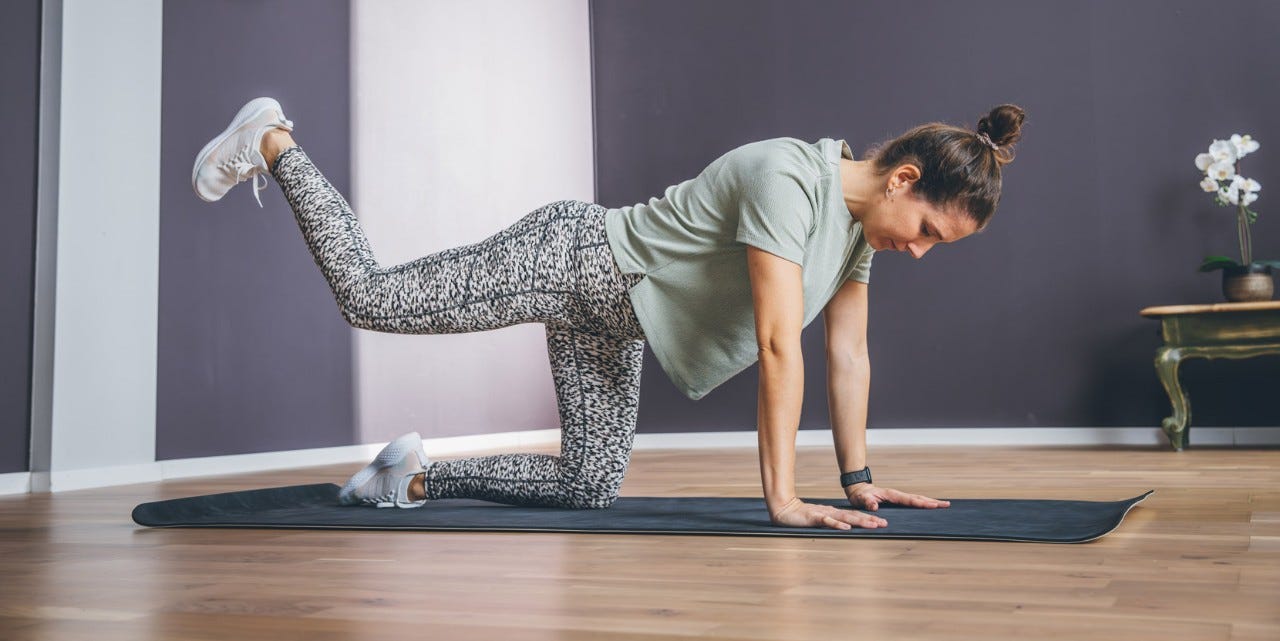
Legs and bums workout for mums-to-be
Sports to be avoided
Don’t do extreme or high-risk sports during pregnancy. Falls and bumps can seriously injure the unborn child and, under certain circumstances, it can be difficult to provide medical care for injured pregnant women. Avoid doing sport in hot weather and strong sunlight.
- Sports with quick, jarring movements such as tennis and squash
- Team sports where there is the risk of falling and injury, such as basketball, volleyball
- Sports where there is the risk of falling, such as horse riding, inline skating, ice-skating, skiing and snowboarding
- Martial arts
Abdominal exercises and strength training during pregnancy?
Strength training for the baby bump? That is not a contradiction. Pregnant women should focus on training their pelvic floor muscles, and they can also strengthen their lateral and oblique abdominal muscles.
However, after the 20th week of pregnancy, expectant mums shouldn’t do abdominal exercises for the straight stomach muscles, such as crunches or classic sit ups. From the final trimester of pregnancy onwards, also avoid strength and abdominal exercises that involve lying on your back.
In general, properly executed and moderate exercise strengthens the stomach, back and pelvic floor – and pregnant women benefit from this. Use lighter weights, keep a straight posture and avoid abrupt movements.
Upper body workout for expectant mums
Sport during pregnancy: what you need to know
- Exercise regularly. Doing sport twice a week is ideal.
- Don’t push yourself to your limit and make sure your pulse remains steady.
- Wear good trainers and be careful. The risk of injury is higher during pregnancy, because the ligaments and tendons are softened, which makes the joints less stable.
- Drink plenty of water or unsweetened tea during and after exercising.
- Sport shouldn’t be seen as a replacement for antenatal exercise. In antenatal exercise classes you’ll learn breathing techniques and special exercises designed to ease the delivery.