Nine home remedies for cold sores
As well as looking bad, cold sores can also itch and hurt. These home remedies will ease the unpleasant symptoms.
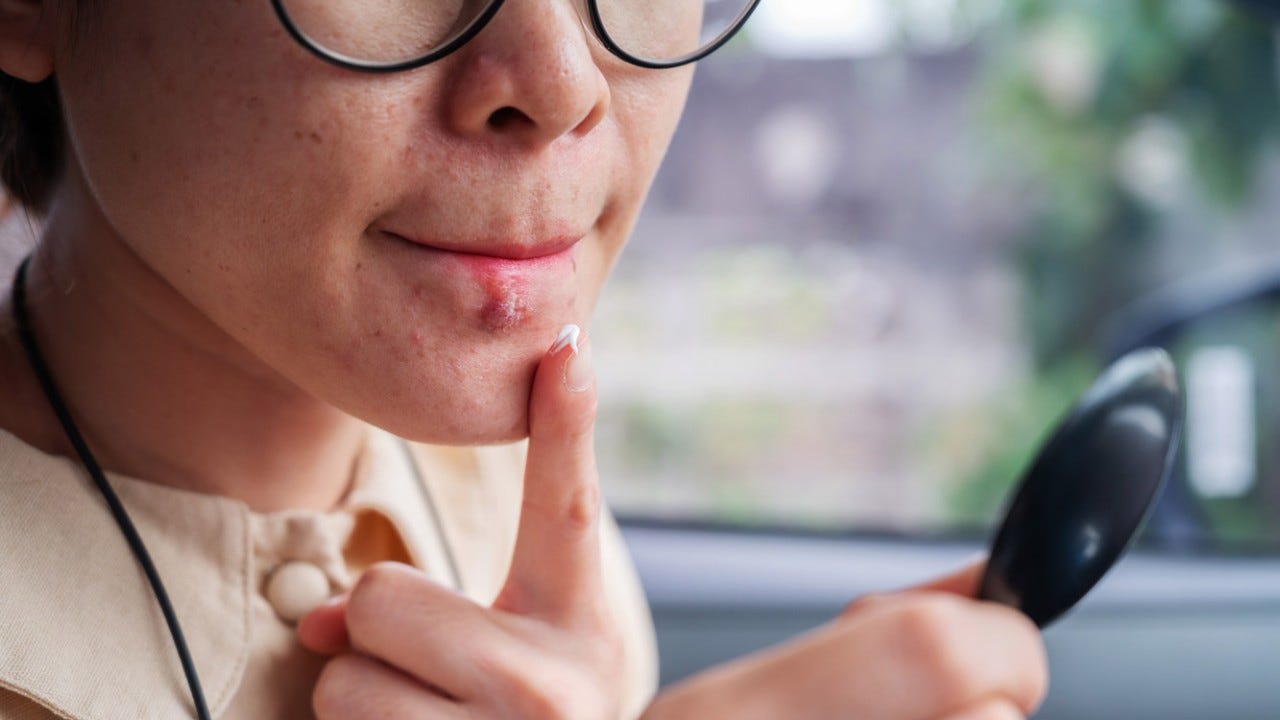
First comes the itching or a feeling of tightness around the mouth – then a few days later the cold sores pop up. What often starts with a slight tingly sensation, quickly develops into painful, reddened blisters without treatment.
Cold sores: what are they?
Most people are familiar with this irritating skin infection that affects the lips, with 90% of the world’s population carrying the herpes virus. And it’s no wonder, because they are highly contagious. They can be spread via:
- Cutlery, cups and glasses
- Physical contact
What’s more, you can’t get rid of the pathogen. Once infected, you remain a carrier of the virus for the rest of your life.
Nine home remedies for cold sores
There are several herbal remedies for cold sores. Zinc and special plasters also help fight the symptoms. Here are nine effective home remedies to combat the pesky blisters:
-
Lemon balm
Lemon balm has antiviral properties and can stop the herpes viruses from spreading and penetrating into the skin.
This is why a cream with lemon balm extract is particularly helpful in the initial phase of cold sores.
-
Aloe vera
Aloe vera speeds up the healing process and is known for its antibacterial properties.
How it works: Cut a leaf off the plant and spread the gel-like substance on your skin. Alternatively, you can get aloe vera gels or sprays from the pharmacy.
-
Turmeric
The curcumin contained in turmeric inhibits the multiplication of herpes viruses.
How it works: Cut slices off a turmeric root and place them on the affected area for a few minutes. You can get fresh turmeric roots from organic food stores.
-
Tea tree oil
Tea tree oil is a real all-rounder: it has an antiseptic, bactericidal, fungicidal and antiviral effect.
How it works: Use a cotton bud to regularly apply undiluted tea tree oil to the affected areas for quick relief. But be careful with essential oils, as they can trigger allergies.
-
Honey
Applying honey to the affected areas speeds up the healing process and reduces the pain and itching.
How it works: Use a cotton bud to apply honey directly on the lips and leave it for 10 to 15 minutes. Repeat the application several times a day.
The disadvantage: the viscous substance of honey can stick to the wound when applied and thus irritate it further. The sweetness also tempts you to lick the honey from your lips, which also puts a strain on sensitive skin.
-
Garlic
Garlic has both antibacterial and disinfectant properties.
How it works: Cut up a clove of garlic and place a slice on the affected areas. Leave it to work for 10 to 15 minutes, then rinse the lips gently with lukewarm water. Repeat 5 times a day for two days.
Ideally, the blisters will disappear on the first day.
-
Black or green tea
The tannins in black or green tea have an anti-inflammatory effect.
How it works: Pour hot water over a tea bag and leave it to infuse briefly. Remove the tea bag from the water and leave it to cool. Once cool, place the tea bag on the blisters for 10 to 15 minutes.
You can repeat the application several times a day.
-
Zinc ointment and wound cream
Zinc can dry out the fluid-filled blisters and thus help the wound to heal. Start treatment with zinc and anti-inflammatory wound creams as early as possible – before the infection spreads further.
-
Herpes plaster
Herpes plasters are particularly suitable for small affected areas of skin to prevent the virus from spreading.
The advantage: Make-up can be applied over the plasters. However, if the infection has already spread or you have several blisters, it can be difficult to stick the plasters effectively.
Can you use toothpaste to soothe cold sores?
In addition to zinc, toothpaste contains many substances that are not good for the wound. And it dries out the skin too much. That’s why it is not advised to use toothpaste on cold sores.