Alternative medicine for dogs: an overview
More and more dog owners are turning to alternative therapies. When are these approaches appropriate and what does pet insurance cover?
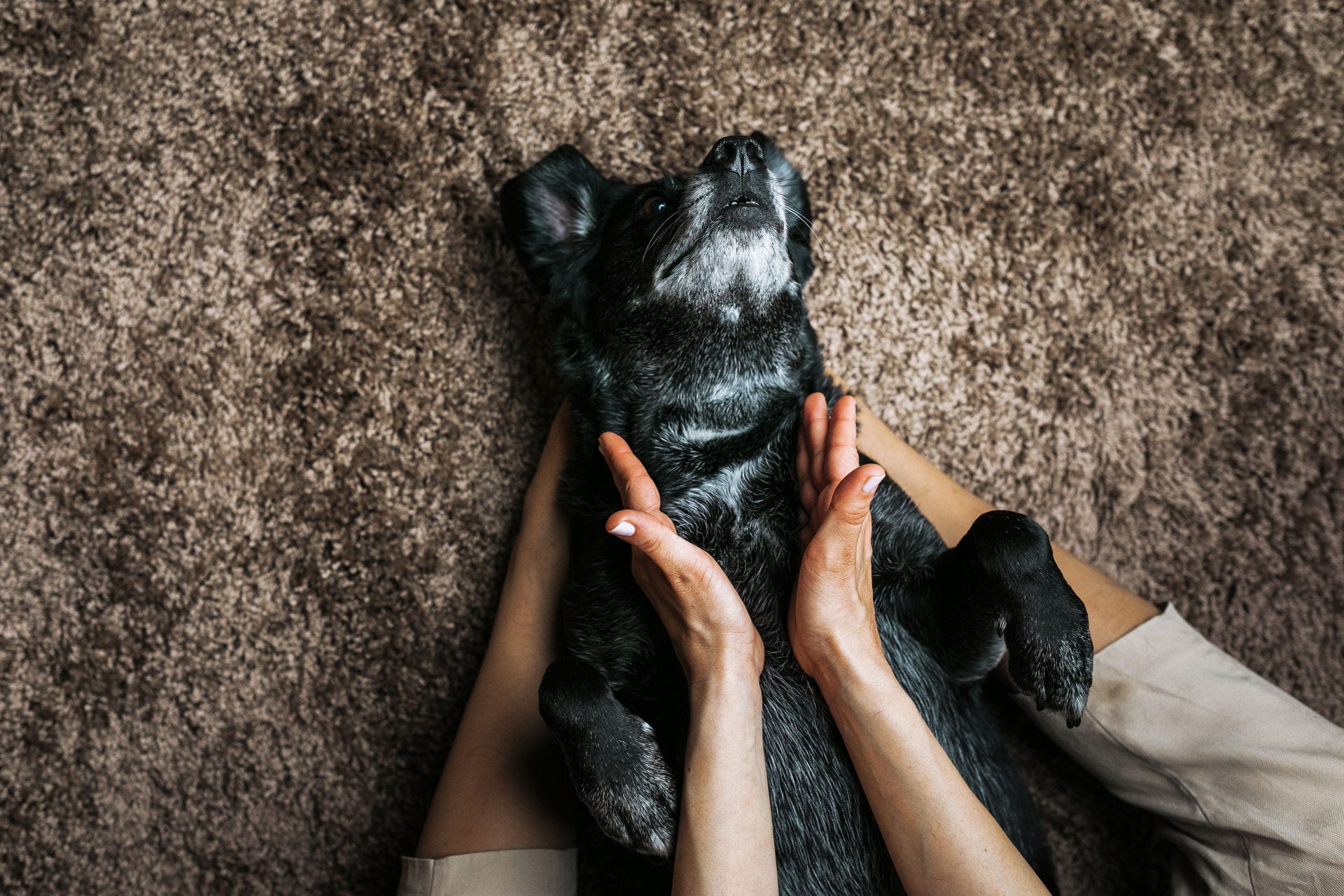
Many dog owners want to do more for their pets than simply treat acute symptoms. That is why gentle, complementary methods such as chiropractic treatment, osteopathy and acupuncture are gaining importance alongside traditional veterinary medicine. They can provide soothing relief, especially for chronic conditions.
However, it is important to understand complementary medicine for what it is: a complement. In the event of illness, it is not a substitute for a thorough diagnosis or veterinary treatment. Equally important are the qualifications of the person providing treatment, since professional titles are not protected.
Ideally, you should consult vets with appropriate specialist training who can expertly combine conventional medicine and complementary approaches, or ask your veterinary practice for recommendations.
Alternative medicine vs conventional medicine
For complementary methods to be used effectively, it is important to understand their role correctly. While conventional medicine investigates symptoms, makes diagnoses and provides targeted treatment, complementary medicine takes a more holistic view of the dog – considering factors such as mobility, posture and overall well-being.
Ideally, the two approaches are not at odds with each other but complement one another: Conventional veterinary medicine ensures a thorough evaluation and medical safety, while complementary methods can support the treatment.
When might alternative therapies be appropriate for dogs?
When conventional medicine and complementary therapies work together effectively, the question is: in which situations can alternative healing methods help dogs?
Generally speaking, they are primarily recommended to support mobility, well-being and recovery.
The preventive benefits are also particularly important: complementary methods can help identify muscle tension, compensatory postures or restricted movement early on, before they develop into more serious problems.
If you keep a close eye on your dog, you can spot changes more quickly and take action to address them:
- As dogs age, to support mobility, well-being and quality of life
- During periods of intense physical exertion, such as for working dogs or sporting dogs
- After injuries or operations, as a supplement to veterinary treatment and rehabilitation
- In cases of muscle tension or compensatory postures, for example as a result of orthopaedic problems
- As part of general preventive healthcare, when pet owners want to detect changes early
Overview of the most important methods
The appropriate method depends on the dog’s individual state of health, symptoms and needs. An overview of the key approaches:
-
Chiropractic care for dogs
Chiropractic treatment focuses primarily on the spine. Targeted techniques are used to release muscle tension and improve mobility.
It can be a useful complementary treatment for spinal dysfunction as well as acute and chronic pain of mechanical origin, such as in cases of:
- Spinal injuries
- Cervical spine syndrome
- Osteoarthritis
- Sciatic neuralgia
- Incontinence
- Hyperaesthesia and paraesthesia
- Non-specific lameness
- Sporting dogs (optimise performance)
- Geriatric patients
-
Acupuncture for dogs
Acupuncture has its origins in traditional Chinese medicine. Fine needles are inserted at specific points to relieve symptoms and support bodily functions.
Nowadays, however, laser light, low-intensity electrical current, moxibustion (heat therapy involving the burning of dried mugwort) or injections of medicines (e.g. vitamin B12) are also used.
It is used to supplement other treatments, for example in cases of:
- Sports injuries
- Arthritis and osteoarthritis
- Hip dysplasia
- Slipped disc
- Rheumatism
- Paralysis
- Chronic digestive problems and colic
- Chronic infections, such as the common cold
- Chronic skin problems
- Poorly healing wounds
- Epilepsy
- Nervousness accompanied by muscle tension
- Mental disorders (e.g. aggression)
- Immunodeficiency
-
Osteopathy for dogs
Osteopathy views the body as a unit. In addition to joints and muscles, fasciae, tissues, organs and the interaction of different body systems are taken into account.
The most important tool of the veterinary osteopath is their hands. Gentle manual techniques aim to resolve tension, movement restrictions and functional disorders in the tissue.
The aim is to support the body’s self-regulation. Osteopathic veterinary medicine should also be viewed as a complement to conventional veterinary medicine.
- Functional problems of the musculoskeletal system: Back pain, stiff neck, lumbago, sprains, tendonitis, movement disorders with or without pain, posture or gait anomalies, stiffness, lameness, difficulties with certain movements, reduced performance
- Functional problems of internal organs: Gynaecological disorders, incontinence, diarrhoea, constipation, chronic cough
- Functional problems in the area of the skull: Inflammation of the jaw and frontal sinuses, colds, ear infections, chewing difficulties, headaches, behavioural disorders
- Other areas of application: As a supplement to surgery, as a therapeutic alternative for animals where surgery is not an option, preventively for young growing animals, for adult animals in sports, and for senior animals to improve quality of life
-
Homoeopathy in dogs
In homoeopathic medicine, the body’s own defences are said to be stimulated by very small doses. These remedies originate from plants, minerals, animals, metals and disease products known as nosodes.
The basic principle behind homoeopathy is the assumption that symptoms in sick animals can be treated with substances that would trigger similar symptoms in healthy animals.
It is important not to understand homoeopathy as a substitute for veterinary diagnosis and treatment. Arnica globules are particularly often used for:
- Mild complaints
- Injuries such as bruises, strains and haematomas
- Minor bruises or strains
- After operations, for pain relief and to promote healing
- To support general well-being
Checklist: Finding the right therapist
Choosing reputable therapists in the field of alternative veterinary medicine requires care, as professional titles are not protected. These points can help:
-
Recommendations
Tips from vets, dog trainers or other dog owners can help with the search. Specialist forums and websites also provide a first impression of training, offerings and experience.
-
Qualifications
Does the therapist have solid training, certificates or memberships in professional associations? Ideally, therapists should have a conventional medical background, specialisation and/or regular further training.
-
Relevant expertise
The focus should fit the concern. Discuss it beforehand with your veterinarian.
-
Professional approach
A thorough examination and medical history should always precede the treatment. Previous findings from the vet should be taken into account.
-
No unfounded promises of healing
Serious therapists explain possibilities and limitations realistically – without promising miracle cures.
-
No sales event
Therapists should not push expensive additional products. Recommendations for preparations, feed supplements or aids should be transparent, professionally justified and completely voluntary.
-
Individual therapy plan
The treatment should be tailored to the dog, its history and its needs – not follow a standard scheme.
-
Offering is transparent
Costs, procedure and treatment goals should be communicated clearly and openly.
-
Handling the dog
Good therapists work calmly, respectfully and without stress. The dog’s well-being is the main focus.
-
Important
Good therapists work in a complementary manner to veterinary medicine. They refer to a veterinary practice or specialist if needed.
Which costs are covered by pet insurance?
Sanitas pet insurance covers 90% of the costs, up to CHF 2,000 per year, under the Premium category of insurance for the following alternative and complementary treatments:
- Acupuncture
- Osteopathy
- Traditional Chinese medicine
- Chiropractic treatment
- Phytotherapy
- Homoeopathy or herbal medicines
- Nutrition advice
- Behavioural medicine
Important: For costs to be covered, the method must be included in the “Complementary and alternative medicine” list and performed by a healthcare provider recognised by Sanitas.
Conclusion
Alternative healing methods can support dogs, provided they are used as a complement to veterinary medicine and their limits are respected. In cases of acute complaints, pain or unclear symptoms, a conventional medicine evaluation is always the first priority. What matters is a sound diagnosis, qualified practitioners and, above all, realistic expectations.
Source:
https://www.camvet.ch/de