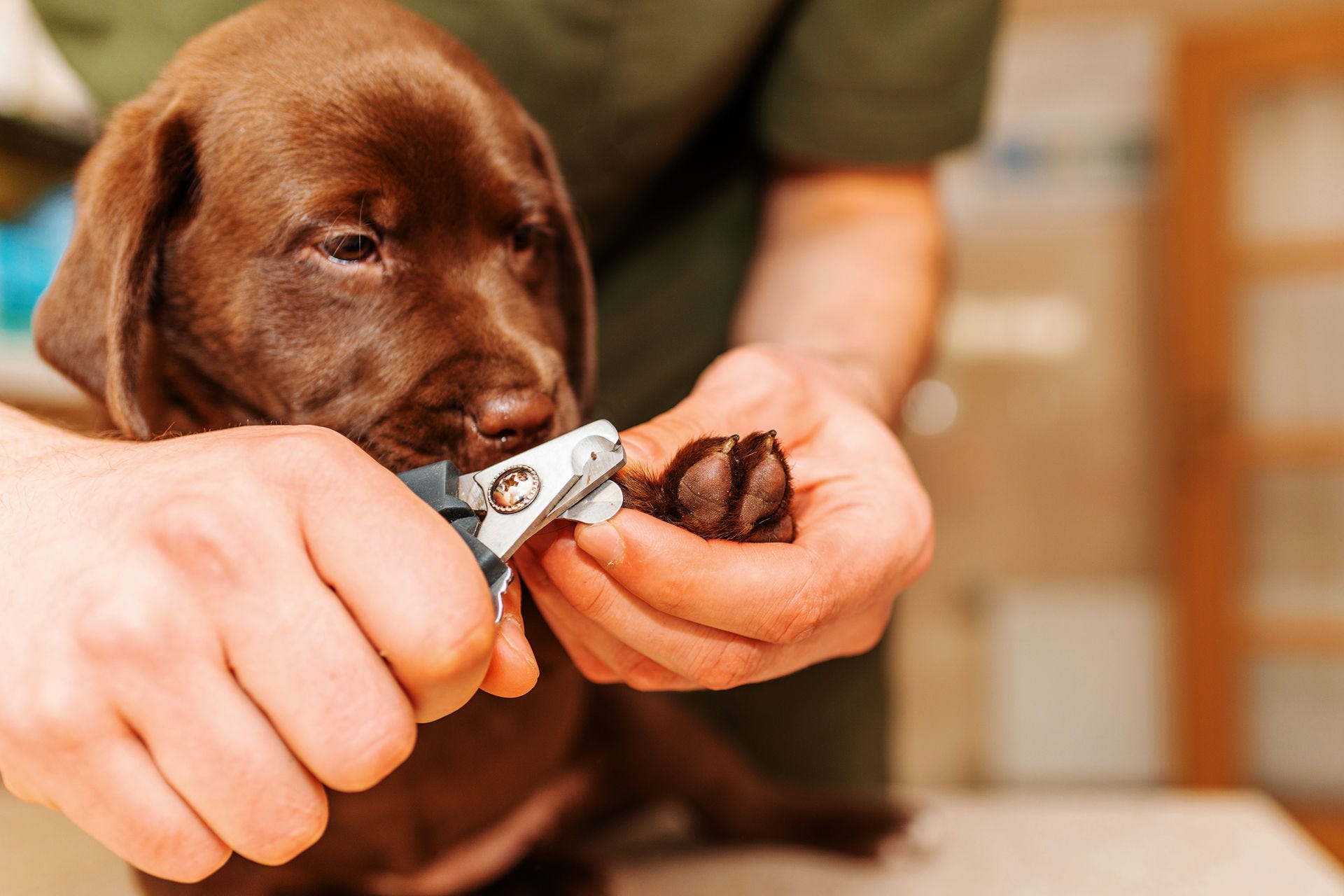
Dog whisperer
You understand your dog, but sometimes it helps to worry less and trust more.
Your profile
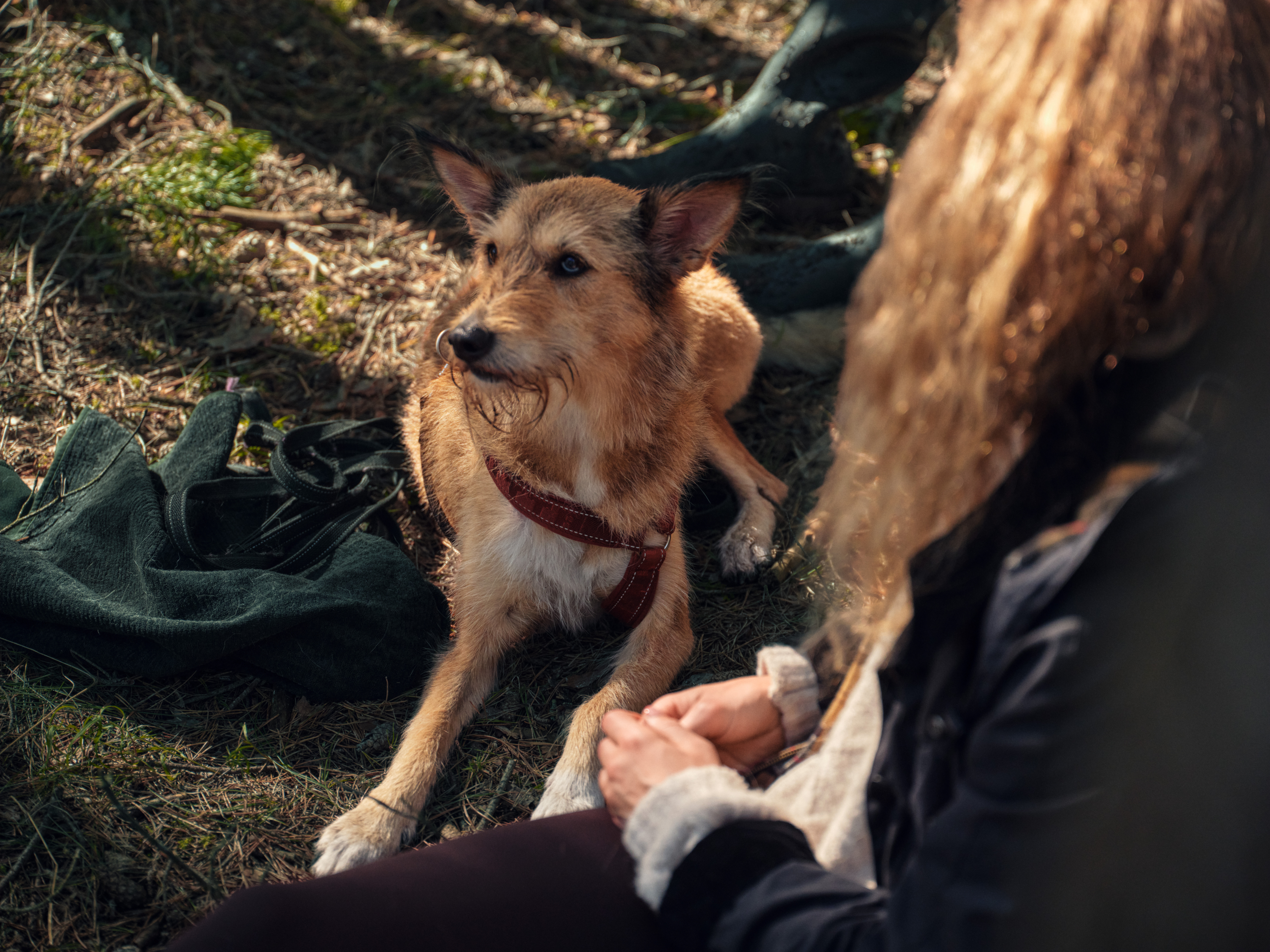
You don’t just want to know what your dog is doing – you want to understand why. You pay attention to his body language, needs and individual quirks, adapting the way you interact with him accordingly. This is a real strength: every dog is motivated by different things and learns at their own pace.
However, careful observation can sometimes become overanalysis. Not every behaviour needs a complex explanation. If behavioural problems appear suddenly or become serious, it is advisable to seek professional support. Changes in behaviour can also have an underlying medical cause.
-
- Power of observation: You notice subtle signals and changes in your dog’s behaviour.
- Individual approach: You respond to your dog’s needs rather than taking a one-size-fits-all approach.
- Willing to learn: You seek out information and continually improve the way you interact with your dog.
-
- Rely not only on your knowledge but also on consistent routines.
- Avoid trying to interpret or improve every single behaviour.
- If your dog shows severe anxiety, aggression or sudden behavioural changes, seek professional help promptly.
-
- Observe your dog in all kinds of weather: Pay attention to how he responds to rain, wind, cold and heat. This will help you recognise which conditions he feels comfortable in and when he might need shelter, a shorter walk or a break.
- Find out what motivates your dog: Food, play, sniffing or attention – find out which reward he values most. Every dog has different preferences.
- Seek professional advice: If behavioural problems persist, consult a vet or qualified canine behaviourist.